The bicycle, a concrete alternative to mass tourism

Faced with the saturation of certain destinations and the ecological impact of mass tourism, more and more travelers are seeking more responsible alternatives. The bicycle is now becoming an obvious choice: both a gentle means of transport, an immersive experience, and a true travel philosophy.
A sustainable and gentle form of mobility
In a context where environmental concerns are becoming central, choosing the bicycle seems almost obvious. It embodies a transition toward a more environmentally respectful form of mobility, but also a deeper transformation of our relationship with travel. Traveling by bicycle involves accepting a certain slowness, a form of physical simplicity. We rediscover the value of distance, no longer as an obstacle to be quickly overcome, but as a full experience in itself. Each kilometer traveled becomes a lived moment, far from the logic of speed and consumption typical of conventional tourism.
Slow travel: traveling differently

T.Garcia
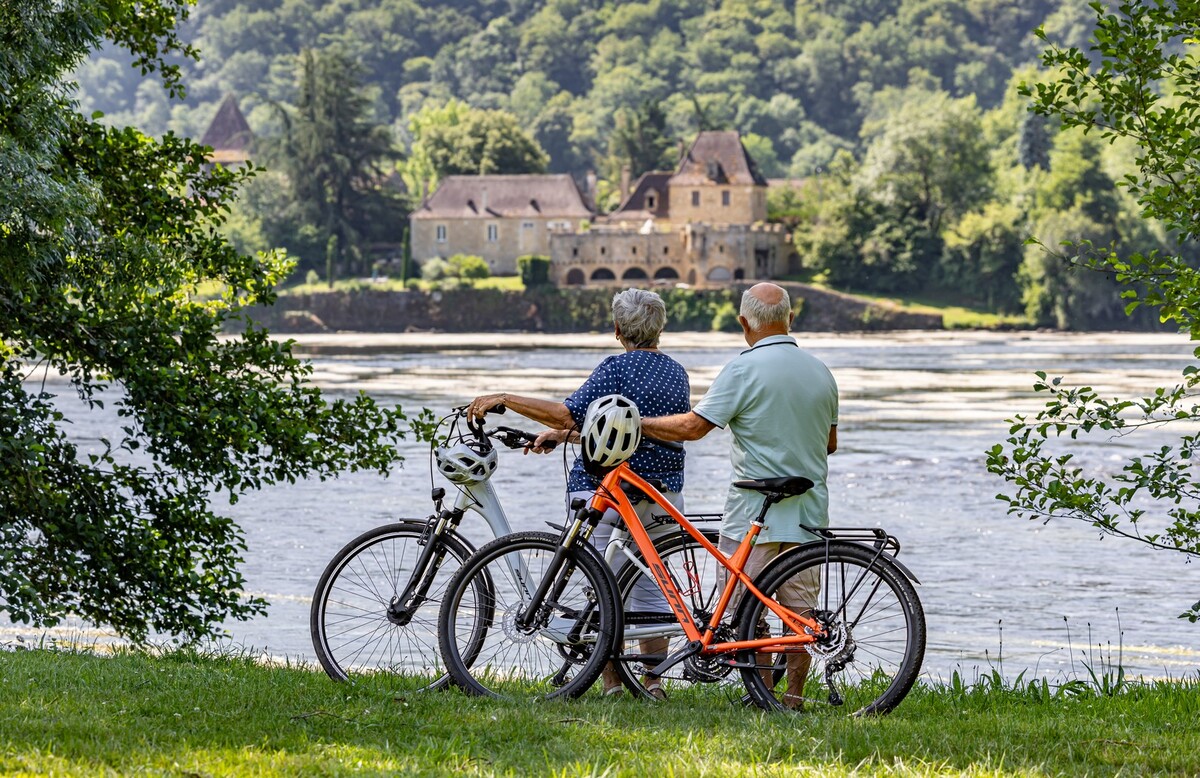
The bicycle imposes a rhythm. But far from being a constraint, this rhythm becomes a form of freedom. You no longer chase time; you move with it. Each day is shaped by desires, encounters, and discoveries. This relationship to time fully aligns with a slow travel logic, where experience is prioritized over performance. It is no longer about seeing as many things as possible, but about fully experiencing what you see. A local market, a break by a river, or an unplanned conversation become central moments of the journey. The journey itself takes on a new importance, and the traveler learns to appreciate details: morning light, the silence of a rural path, the steady sound of wheels on asphalt.
Getting off the beaten track
One of the great advantages of the bicycle is its ability to open up different paths. Where the car takes fast roads and the train connects major cities, the bicycle explores the in-between spaces: secondary roads, towpaths, forgotten small departmental roads. It is in these spaces that another reality of the territory is revealed. A quieter, more rural, more authentic France. Villages where people still take the time to talk, landscapes shaped by the seasons, roads where you can ride for miles without meeting anyone. The bicycle makes precisely this possible: allowing yourself to be surprised.

loris-boulinguez
More authentic encounters
The bicycle has this particularity of arousing curiosity and kindness. It makes the traveler accessible, identifiable, almost familiar. Exchanges happen more naturally. A simple break can turn into a conversation, a piece of advice into an invitation, a journey into a shared moment. These often unexpected encounters give the journey human depth. They also make it possible to better understand the territories being crossed, through the stories, advice, and anecdotes of the locals.
France, the leading destination for bicycle tourism

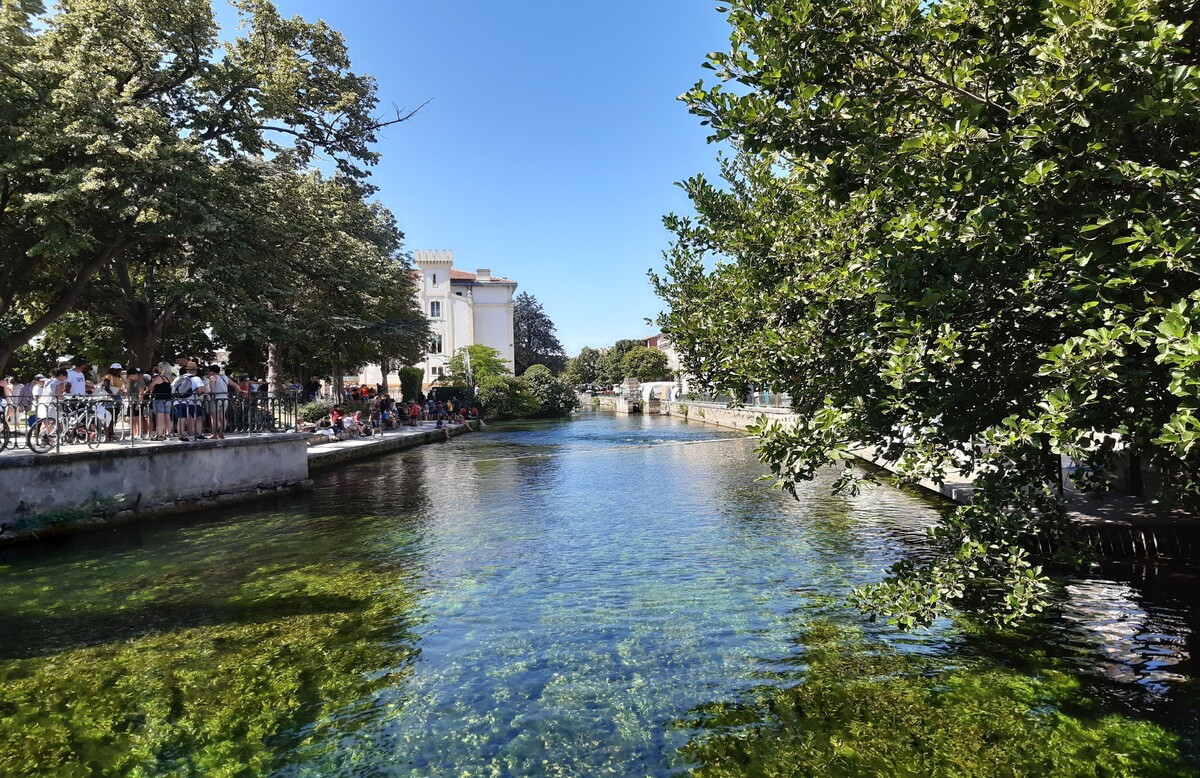
If there is one country where cycling travel makes perfect sense, it is France. Not only because of the quality of its infrastructure, but above all because of the incredible diversity of its landscapes. What is striking when crossing France by bicycle is the ability to change atmosphere in just a few days. You can go from the Alsatian vineyards to the bright landscapes of Provence, then reach the peaceful valleys of the Dordogne, where time seems to naturally slow down.
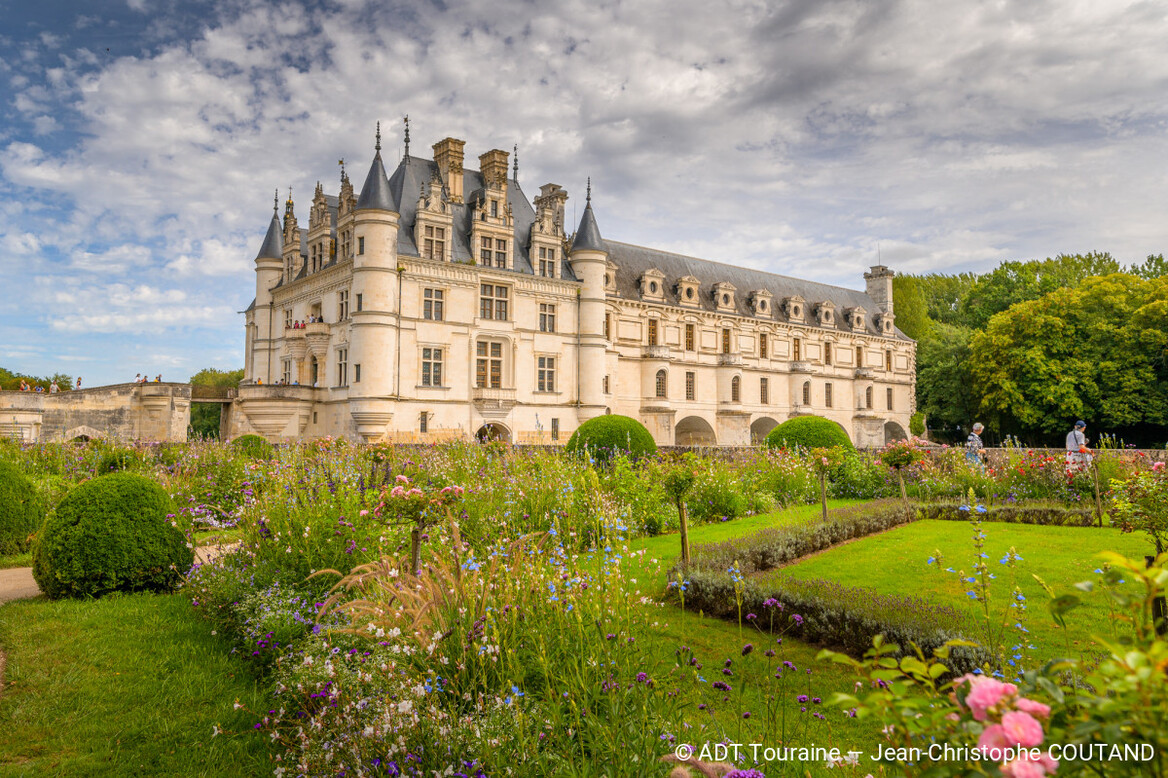
Some iconic routes, such as the Loire à Vélo, accompany travelers over long distances and offer an almost meditative experience, shaped by the river, villages, and castles. What makes France so special for cycle tourism is not only the beauty of its landscapes, but their continuity. Everything seems to flow naturally, as if the territory had been designed to be traveled slowly.
Go at your own pace, take back control
Traveling by bicycle also means freeing yourself from the constraints of conventional tourism. There are no imposed schedules, no fixed itineraries, no pressure of time efficiency. You choose your pace, your stops, your breaks. You can stop for an hour or for an entire day. You can change direction, follow advice, improvise. This freedom is precious. It gives travel a personal, almost intimate dimension.
A response to the challenges of tomorrow’s tourism
Faced with the excesses of mass tourism—overcrowding, pollution, standardization—the bicycle appears as a credible and desirable alternative. It helps distribute tourist flows, highlight lesser-known areas, and support local economies. By favoring short supply chains and local actors, it contributes to a more balanced form of tourism. It also encourages a form of respect: respect for places, for inhabitants, for the natural rhythm of things.
But beyond these challenges, it above all offers another way of traveling. Slower, more conscious, more human. And in a world where everything is constantly speeding up, that may be the real luxury.

ny-hasinavalona-randriantsarafara