The Iconic French Cycling routes. Part 1
Stephane-Chadourne
France is now one of the most attractive countries in Europe for cycle touring. Thanks to a dense network of marked, safe, and often spectacular routes, it offers a multitude of possibilities for traveling by bike. Among the most emblematic routes, three cycle paths stand out for their richness, diversity, and accessibility: The Vélodyssée, The Loire à Vélo, and The Scandibérique. Each offers a unique experience, between ocean, historical heritage, and wide open spaces.
1. The Vélodyssée: a journey along the Atlantic
With more than 1,200 kilometers of cycle paths, The Vélodyssée is the longest French cycle route along a coastline. It connects the lands of Brittany to the Basque Country, following as closely as possible the Atlantic coast. This exceptional route corresponds to the French section of the European EuroVelo 1 itinerary, but it has a very distinct identity, deeply rooted in the diversity of the Atlantic coastal landscapes.
A route shaped by diverse landscapes
What makes The Vélodyssée particularly fascinating is the constant variety of panoramas it offers. As the kilometers pass, the scenery continuously evolves, giving cyclists the impression of traveling through several different worlds.
The journey often begins in the heart of Brittany, with its rocky coasts, small coves, and authentic maritime atmosphere. Then, heading south, the landscapes gradually soften, giving way to long sandy beaches bordered by dunes and forests. Further south, crossing the Landes marks a turning point in the atmosphere of the route: here, nature takes over. Vast pine forests stretch as far as the eye can see, creating endless straight lines where the gaze gets lost between sky and forest. It is a unique feeling of freedom, reinforced by the tranquility of the surroundings. The route then continues toward the Basque Country, where the terrain becomes more pronounced. The landscapes change again: green hills, picturesque villages, and a strong culture that signals arrival in a region with a well-defined character.
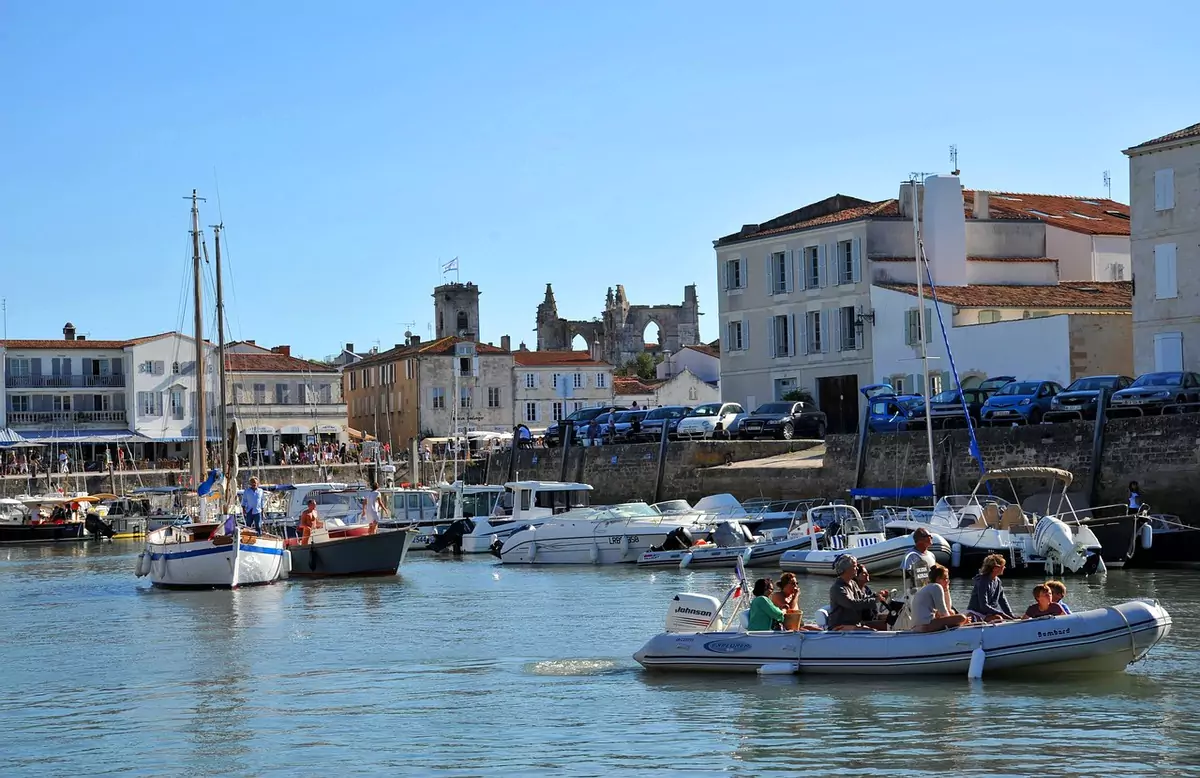
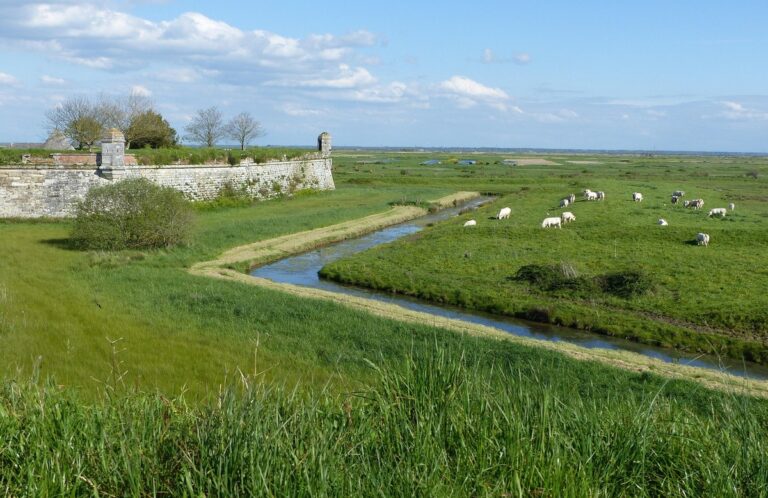
Between wild dunes, preserved marshes, fishing ports, and lively seaside resorts, the diversity is such that each stage brings its share of discoveries and surprises.
A true immersion between nature and ocean

QUERE Yves Tourisme Bretagne
One of the major strengths of The Vélodyssée lies in its constant proximity to the Atlantic Ocean. Throughout the route, the ocean is never far away, accompanying the cyclist like a continuous presence. The sound of the waves, the sea breeze, the salty smells, and the vast stretches of sand create a very particular sensory atmosphere. This natural setting offers a real escape, far from the hustle and bustle of everyday life.
Cycling facing the ocean provides a sense of freedom that is hard to match. Long stretches of cycle paths, sometimes along the beach or slightly set back in the forest, allow full enjoyment of this preserved environment. Some areas crossed are true natural gems, particularly the Landes coast, known for its wild and protected landscapes. The vast dune fields, natural lakes, and environmental reserves highlight the importance placed on preserving these spaces.
A route designed for all cyclists
The Vélodyssée is often considered one of the most accessible cycle routes in France. Its path is mostly made up of greenways and safe cycle paths, allowing for relaxed riding away from car traffic. The terrain is generally gentle, with little elevation over long sections, especially in the Landes and along much of the coastline. This makes it an ideal route for beginner cyclists, families, or those wishing to travel without major technical difficulty. Stages can easily be adjusted depending on one’s level, desires, or travel pace. It is therefore possible to ride only a few dozen kilometers per day, or on the contrary, to link longer stages to progress more quickly.
2. The Loire à Vélo: a journey through heritage and French landscapes
Among the most emblematic cycle routes in France, The Loire à Vélo holds a special place. Stretching over more than 900 kilometers, it follows the course of the last great wild river in Europe, linking the landscapes of central France to the Atlantic estuary. This route is part of the European EuroVelo 6 itinerary, but it has a strong identity, deeply connected to French history, culture, and heritage. Cycling along The Loire à Vélo means crossing one of the richest regions in the country while enjoying a route perfectly suited to cycle touring.
An immersion in the heart of the Loire castles
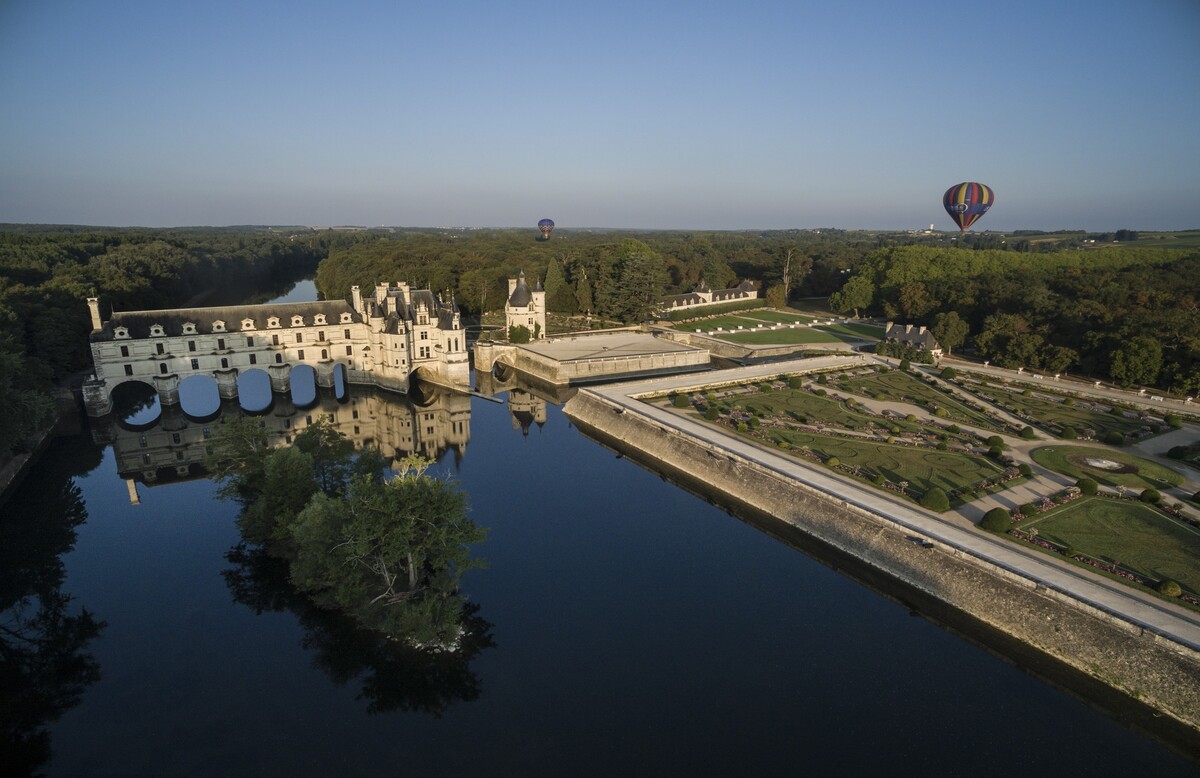
One of the most fascinating aspects of this route is undoubtedly the exceptional presence of castles along the way. The Loire is often nicknamed the “garden of France.” Its banks are home to some of the most beautiful historical monuments in the country. Along the journey, one discovers iconic sites such as the castles of Chambord, Chenonceau, Amboise, and Azay-le-Rideau. Many of these buildings are listed as UNESCO World Heritage sites and bear witness to the richness of French royal history while offering unmissable cultural stops.
But La Loire à Vélo is not limited to its castles. The route also passes through charming villages, towns of art and history, as well as renowned wine estates. Each stage is an opportunity to discover a new face of the region, between traditions, architecture, and local expertise.

A journey between nature, river, and a gentle way of life

Beyond its built heritage, La Loire à Vélo offers a true immersion in varied and soothing natural landscapes. The river, often wide and peaceful, accompanies the cyclist throughout the journey, creating a serene and contemplative atmosphere. The Loire’s banks are dotted with preserved natural areas, where rich fauna and flora can be observed. Wild islands, alluvial forests, floodplain meadows… these spaces offer a rare sense of openness and freedom. The rhythm of the river also imposes a certain way of traveling: here, you take your time. The route invites you to slow down, to stop regularly to enjoy a viewpoint, a village, or simply a quiet moment by the water.
This gentle way of life is an integral part of the experience. It is also reflected in the local gastronomy, markets, wine tastings, and the many encounters that can be made along the way.
3. The Scandibérique: a great crossing of France by bike
With more than 1,700 kilometers, The Scandibérique is quite simply the longest cycle route in France. A true backbone of cycle touring in the country, it connects the Belgian border in the north to the Basque Country in the southwest, crossing a large part of the territory. It corresponds to the French section of the European EuroVelo 3 route, a major path linking Norway to Spain. But beyond its European dimension, La Scandibérique above all offers a fantastic opportunity to discover France in all its diversity, from north to south. This long route is not just a line on a map: it is a real adventure, a gradual immersion into the many faces of the country.
An incredible mosaic of landscapes
What immediately stands out about The Scandibérique is the exceptional diversity of landscapes it crosses. Few routes allow you to discover so many different facets in a single journey. The route begins in the north of France before gradually descending toward the heart of the country. You then pass through agricultural regions, rolling landscapes, open plains, and deep forests. Further south, the scenery evolves again: you follow peaceful canals, cross green valleys, and discover many characterful villages, often rich in history.
One of the most striking aspects of this route is its alternation between rural areas and urban passages. The Scandibérique also passes through major cities, including Paris, offering a striking contrast between urban energy and the calm of the countryside. This diversity makes each stage unique, with a constant feeling of discovery and renewal of the landscape.
A route between heritage and pilgrimage paths

Gblanco
La Scandibérique is not limited to its landscapes: it also has a particularly rich historical and cultural dimension. The route partly follows the famous pilgrimage routes to Santiago de Compostela, giving it strong symbolic depth. Cycling along these paths means following routes traveled for centuries, through European history and traditions. Throughout the journey, you encounter historical sites, churches, abbeys, and monuments that bear witness to the past of the region. From major cities to small rural communities, each stage tells a different story. This heritage richness makes La Scandibérique much more than just a cycle route: it is a true cultural journey, where each pedal stroke brings you closer to the history and regions crossed.
Discovering France by bike: three exceptional routes
These three French cycle routes perfectly illustrate the richness of cycle touring in France:
- The Vélodyssée for an ocean-side adventure
- The Loire à Vélo for a journey at the heart of heritage
- The Scandibérique for a complete and immersive crossing
Each offers a different experience, but they all share one common point: the freedom to travel differently, at the pace of a bicycle, taking the time to discover landscapes and regions.