Must-See Places in Provence by Bike
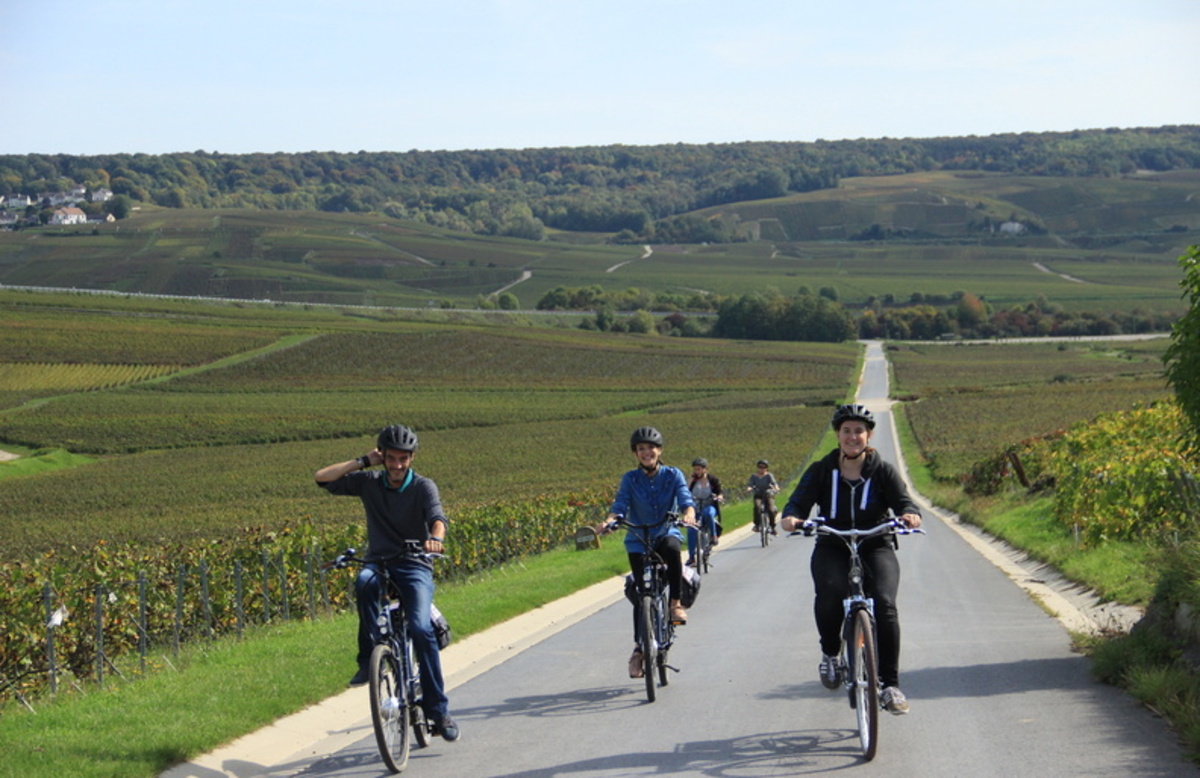
Provence is a destination that’s especially well-suited for exploring by bike. With its narrow roads lined with olive trees, hilltop villages, lavender fields, vineyards, and Mediterranean landscapes, every pedal stroke offers a new perspective on this iconic region of southern France. Far from the main tourist routes, cycling allows you to take your time exploring the scenery, stopping in a village, enjoying a local market, or simply soaking up the sun and the scents of Provence.
Among the many possible routes, certain sites have become true must-sees for cyclists. From the legendary Mont Ventoux to the wild landscapes of the Camargue, through the colorful Valensole Plateau and the villages of the Luberon, Provence offers an incredible variety of experiences. Whether you’re looking for a physical challenge, a chance to immerse yourself in nature, or a journey focused on culture and the art of living, there’s a cycling route to suit every preference.
The Valensole Plateau: Cycling Through the Heart of the Lavender Fields
hjrivas
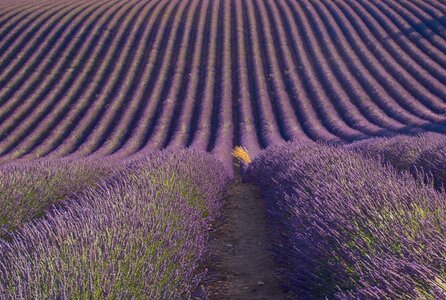
It’s hard to imagine Provence without thinking of lavender fields. Located in the Alpes-de-Haute-Provence, the Valensole Plateau offers one of the region’s most iconic landscapes. In summer, when the lavender is in bloom, the fields are adorned with magnificent shades of purple and create an exceptional backdrop for a bike ride. The small roads that crisscross the plateau allow you to fully enjoy this spectacle. With its Provençal villages, lavender fields, and panoramic mountain views, the Valensole Plateau is a must-see stop on any cycling trip through Provence.
Mont Ventoux: The Legendary Challenge for Cyclists
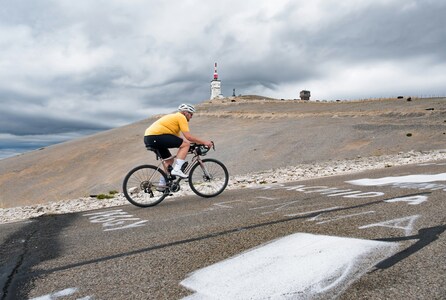
After the gentle roads of the Valensole Plateau, head toward one of the most famous peaks in French cycling: Mont Ventoux. Rising to an altitude of 1,910 meters, the “Giant of Provence” is a true symbol for cycling enthusiasts. Its ascent, made legendary by the many stages of the Tour de France, presents both a physical and mental challenge. But the Ventoux is more than just a sporting feat: it’s also a unique scenic experience.
As you climb, the scenery gradually changes. The roads first wind through forests, before giving way to sparser vegetation and the rocky landscapes characteristic of the summit. Once you reach the summit, the view stretches across much of Provence. For experienced cyclists, the full climb is a highlight of the trip. For those who prefer to explore at a more leisurely pace, the roads around Mont Ventoux also offer many options for more accessible rides.
krzysztof-kowalik
The Camargue: Wild Provence by Bike

posidonia
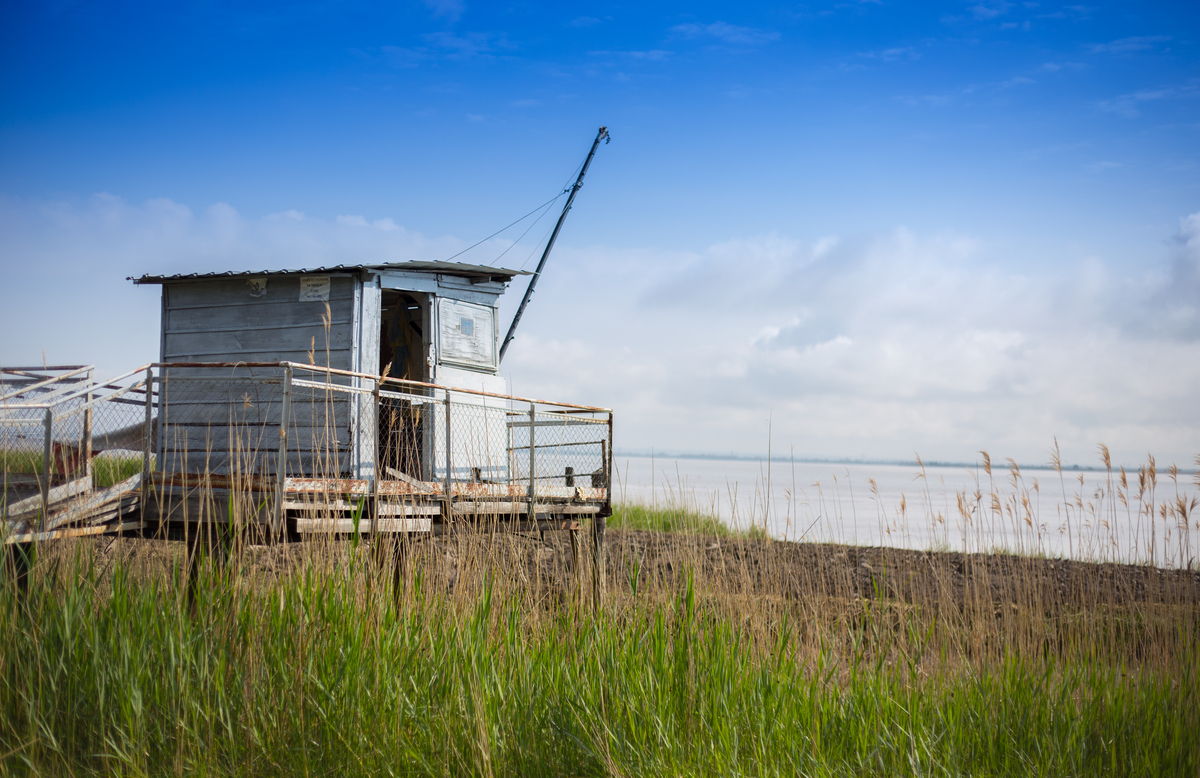
In a complete change of scenery, the Camargue reveals another side of southern France. Here, the rolling hills give way to vast wild expanses, including marshes, ponds, rice paddies, and the Mediterranean coastline. The region is particularly known for its white horses, bulls, and numerous flamingos. By bike, these wide-open spaces truly come into their own: the relatively flat roads allow you to cover long distances while fully enjoying nature.
The Camargue is also an ideal destination for wildlife viewing and exploring a pristine natural environment. A day of cycling can alternate between bike paths and small roads, with stops along the ponds and visits to local villages to discover their traditions. Nearby, Arles is a must-see stop to round out this experience with an immersion in the history and heritage of Provence.
Provençal Colorado: Provence in shades of ochre
Provence also has a few surprises in store for travelers who take the time to venture off the beaten path. In Rustrel, in the Luberon, the “Colorado Provençal” offers a stunning landscape dominated by cliffs and rock formations in shades of red, orange, and yellow. These colors are due to the natural presence of ochre, which has long been mined in the region.
This almost desert-like landscape stands in stark contrast to the lavender fields, olive groves, and vineyards typically associated with Provence. The Colorado Provençal is therefore a unique stop on a cycling trip through the Luberon. It offers a chance to discover a more rugged side of Provence and enjoy a variety of landscapes along the route.

The Luberon Cedar Forest: A Getaway in the Heart of Nature
The Luberon also features more wooded landscapes, particularly around its famous cedar forest. Planted in the 19th century, the cedars now cover a vast natural area that offers a particularly pleasant atmosphere, especially on hot summer days. The tall trees create a real sense of coolness and contrast with the dry, sun-drenched landscapes of the surrounding area.
For cyclists, this leg of the route offers a chance to take a break in nature while exploring the Luberon’s rolling hills. The forest can easily be incorporated into an itinerary connecting the hilltop villages and the region’s various iconic sites. That’s the beauty of exploring Provence by bike: traveling just a few kilometers from a medieval village to a forest, then back out into the open landscapes of the Luberon.
Must-See Villages in Provence by Bike
Provence isn’t just about its sweeping landscapes. Its story is also told through its villages, their narrow streets, their markets, and their ancient buildings. On a bike, the joy lies in connecting them via small country roads, taking the time to stop whenever the views catch your eye.
Gordes, one of the jewels of the Luberon

simon-spring
Perched in the foothills of the Luberon, Gordes is one of Provence’s most iconic villages. Its light-colored stone houses seem to cling to the hillside and offer a spectacular view of the valley from above. Over the years, the village has captivated many artists, including the painter Victor Vasarely, who set up his studio there in the 1970s. This artistic presence has helped cement Gordes’ reputation; today, it has become a must-see stop for travelers exploring the Luberon by bike. After what can sometimes be a challenging climb to the hilltop village, the narrow roads winding through the surrounding countryside offer magnificent views of the Provençal landscape.
Roussillon, in the heart of the ochre region
A few kilometers further on, Roussillon captivates visitors with its vibrantly colored facades, ranging from yellow to deep red. These hues are no accident: they come from the ochre naturally found in the soil, which has long been mined in the region. For several centuries, Roussillon’s ochre was used primarily as a pigment for paint and as a material for coloring buildings. Today, the old quarries and the strikingly colorful landscapes give the village a unique atmosphere.
Les Baux-de-Provence: In the Footsteps of a Powerful Medieval Family
Head to the Alpilles to discover Les Baux-de-Provence, a spectacular village perched on a rocky outcrop. From the ruins of its castle, the view stretches out over the olive groves and wild landscapes of the Alpilles. The village’s history is closely tied to that of the powerful de Baux family, who once controlled a vast territory in the region. According to legend, the lords of Les Baux even claimed descent from the Magi king Balthazar. Today, the medieval alleyways and the castle ruins bear witness to this prestigious past.

jaakko-kemppainen
L’Isle-sur-la-Sorgue, the Venice of the Comtat

baptiste-regnier
Beyond the hills of the Alpilles and the Luberon, L’Isle-sur-la-Sorgue offers a more peaceful atmosphere. Several branches of the Sorgue River flow through the town, earning it the nickname “Venice of the Comtat.” Water has, in fact, played a vital role in its history: the numerous waterwheels installed along the river bear witness to the importance of the artisanal and industrial activities that flourished thanks to its current. Today, the canals, terraces, markets, and antique shops give L’Isle-sur-la-Sorgue a particularly pleasant atmosphere. It’s an ideal stop to slow down after a few hours of cycling and fully enjoy the Provençal way of life.
Avignon, Aix-en-Provence, and Arles: Cultural Provence
Provence isn’t just about its landscapes. Its cities also bear witness to a particularly rich history. Avignon, with its Palace of the Popes and city walls, is one of the region’s major cultural destinations. The city offers a chance to take a break between two days of cycling and explore Provence’s medieval history.
Aix-en-Provence has a unique atmosphere. With its fountains, markets, outdoor cafes, and numerous streets lined with elegant facades, the city perfectly embodies the Provençal way of life. It’s an ideal stop to take the time to stroll around and discover the local cuisine.
Finally, Arles is a must-see for history and heritage enthusiasts. Its Roman heritage, evident particularly in its amphitheater, serves as a reminder of the city’s historical significance. Its proximity to the Camargue also makes it easy to combine cultural exploration with an immersion in nature.

elena-popova
From Les Baux-de-Provence to the Luberon Mountains: Routes for All Cyclists
One of Provence’s greatest attractions is the ability to combine several of these sites in a single trip. From the Alpilles roads around Les Baux-de-Provence to the landscapes of the Luberon Mountains, these routes take you through vineyards, olive groves, hilltop villages, and unspoiled natural areas.
Each region has its own unique character, allowing cyclists to tailor their trip to their skill level and interests. One day might be devoted to a challenging climb, while the next could focus on villages, markets, and local cuisine. This diversity makes Provence a particularly appealing destination for a multi-day cycling trip.
With Trip My France Bike Tours, cycling becomes much more than just a means of transportation: it’s a way to take your time, get off the beaten path, and fully experience the landscapes of Provence. Whether you’re looking for a physical challenge, a cultural getaway, or a trip that combines nature, fine dining, and the art of living, Provence offers an exceptional playground for exploring France by bike.