How to choose your cycling trip?
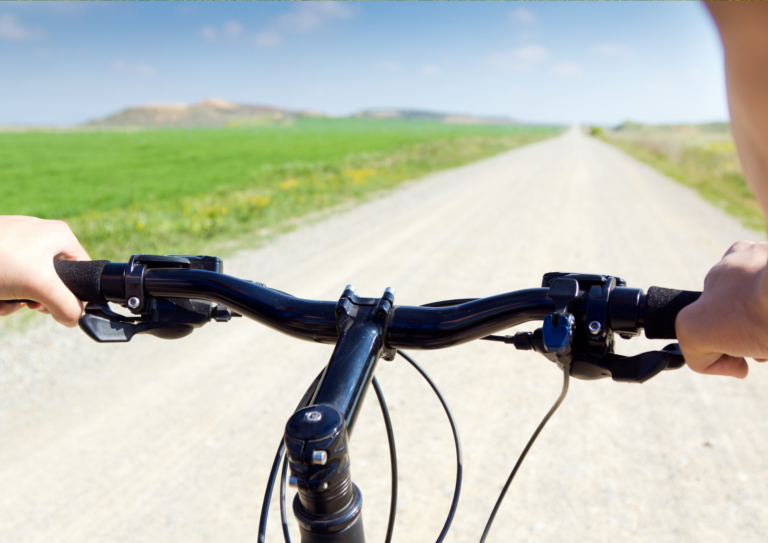
Organizing a cycling trip cannot be improvised. Whether you are an occasional cyclist or used to long distances, several criteria must be taken into account to build a successful experience. A well-chosen trip makes all the difference. Here are the essential elements to consider when choosing the cycling holiday that truly suits you.
Determine the duration of the trip
Adapt the duration to your pace and desires
Peter
The first question to ask yourself concerns the time you have available. The duration fully structures your experience.
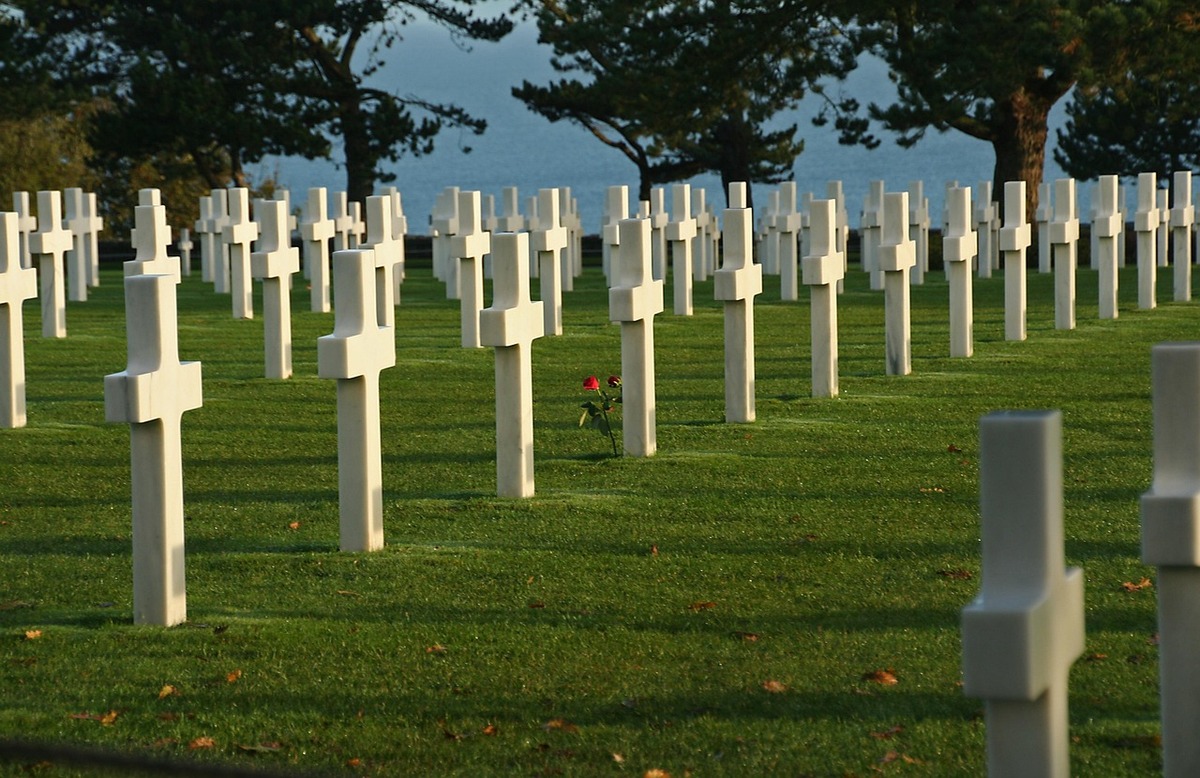
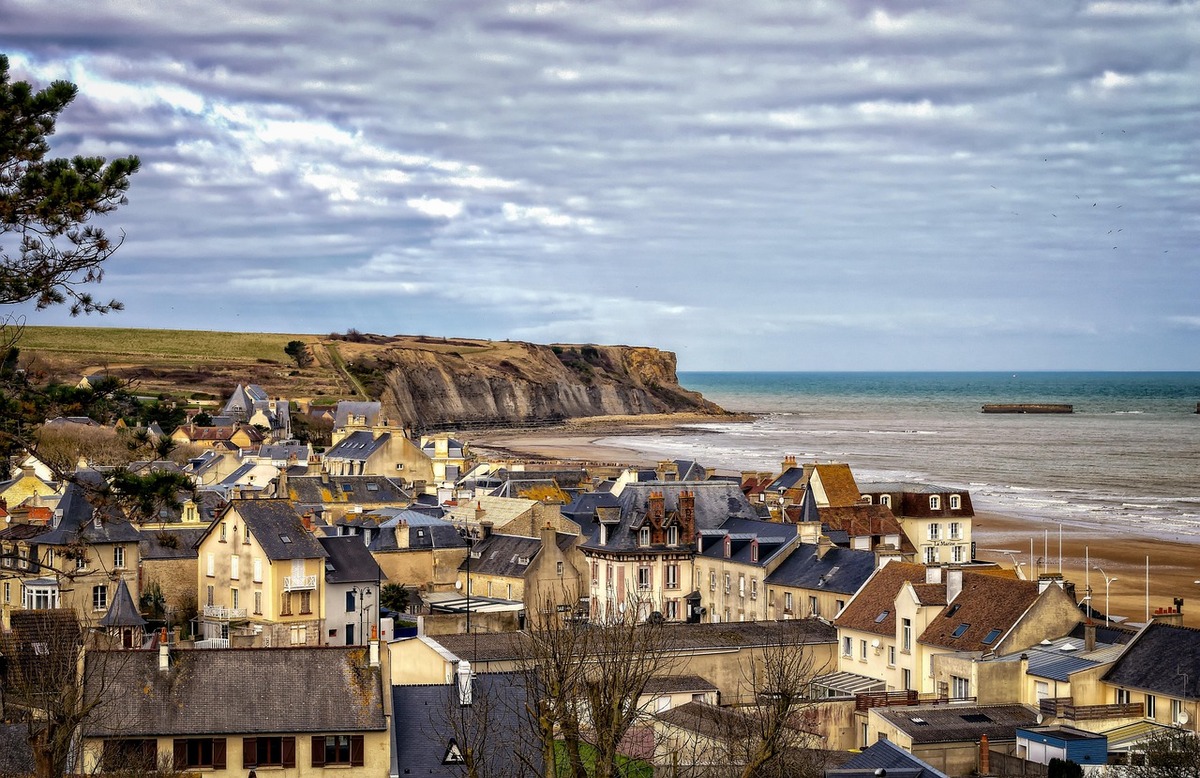
A short trip, between 4 and 5 days, is ideal for a first introduction to cycling travel. It allows you to test your endurance without too much commitment, while discovering the basics of touring. This format is perfect if you are looking for an accessible experience, or if you want to extend your stay with a combined itinerary. For example, an itinerary like Normandy by bike over 5 days allows you to combine historical discovery with the pleasure of riding, with reasonable distances and an accessible pace.
On a longer format, between 6 and 8 days, the experience changes completely. You enter a true touring dynamic, with a real sense of progression. Each stage brings a new atmosphere, a new setting, a new energy. This type of trip allows you to explore a region in depth, immerse yourself in its identity and take the time to truly experience the destination. This is the case with the Loire by bike, where each stage brings you closer to a new château, a new landscape, a new atmosphere.
Anticipate recovery and fatigue
The longer the trip, the more important effort management becomes. It’s not just about cycling, but about maintaining a steady rhythm over several consecutive days. Planning reasonable stages and rest time is essential to fully enjoy the trip. A trip such as Provence by bike with stages around Mont Ventoux requires a progressive management of effort. The key is to ride at your own pace, not overestimate yourself, and know when to slow down if needed.
Choose the ideal period
Take the weather into account
The period directly influences the comfort of your trip. Temperature, wind, sunshine or rain can completely transform a stage. Spring and autumn often offer the best conditions, with moderate temperatures and fewer tourists. Summer can be pleasant in some regions, but sometimes demanding due to the heat. Riding 50 km at 20°C is enjoyable. Doing the same distance at 35°C or with a constant headwind is a completely different experience.
Adapt the season to the destination
Each region has its own characteristics. It is essential to adapt the period to the chosen destination to optimize your comfort and enjoyment.
Provence is stunning in spring, with blooming fields, exceptional light and still-manageable temperatures. In summer, the same roads can become demanding, especially due to high temperatures and sun exposure. The Atlantic coast, with routes such as the Vélodyssée or circuits around Bordeaux, really comes into its own in summer. Days are long, the atmosphere is lively and seaside breaks add a real pleasure dimension to the trip.

Select the right destination
Adapt the destination to your desires
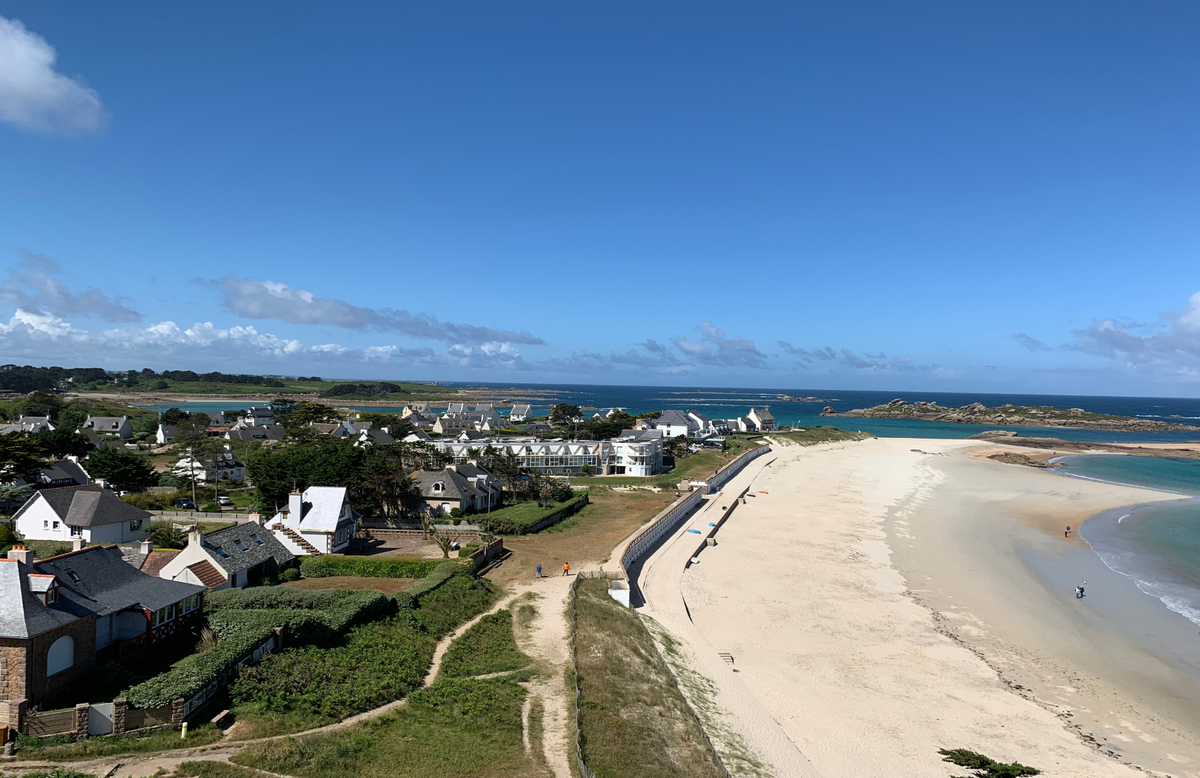
Some regions are ideal for relaxation, with flat routes and soothing landscapes. Others offer sporting challenges with elevation and more demanding stages. The choice depends on your main motivation: do you want to challenge yourself, relax, or discover a territory?
If you want an easy and cultural trip, the Loire is a must. The terrain is flat, the cycling paths are safe and the stages are rich in heritage. It is a perfect destination for a first experience. If you are looking for a gastronomic experience, Burgundy or Bordeaux are obvious choices. You ride through vineyards, charming villages and wine estates. The trip then becomes as much a sensory exploration as a sporting one. If you prefer nature and wide open spaces, Brittany or Dordogne offer wilder, more varied and sometimes more authentic landscapes. The experience is often more immersive, with a stronger feeling of escape.
Choose the right bike
Adapt the bike to the terrain
The type of bike must match the route. A road bike is suitable for paved itineraries, while a touring bike or gravel bike will be better suited to varied paths. For more comfort, especially on long distances or hilly routes, an electric bike is a relevant option.
Do not neglect comfort
Position, saddle, adjustments and equipment all play a key role. An unsuitable bike can quickly turn pleasure into discomfort.
Determine your level
Assess your physical condition

It is important to be honest about your abilities. The number of kilometers per day, the elevation and the repetition of effort must match your real level. This is a key point. Many travelers choose trips that are too ambitious. If you only cycle occasionally, a trip like Bordeaux by bike with moderate stages is perfectly suitable. If you regularly cycle, you can consider longer or more hilly itineraries.
Take your experience into account
A beginner cyclist will not have the same expectations as a regular rider. Experience influences effort management, navigation and autonomy. With experience, you learn to manage your pace, anticipate fatigue and better organize your days. This opens the door to more ambitious and varied trips.
Choose the level of the trip
Cycling trips are generally classified by level of difficulty. These indications help you choose a suitable route, based on daily distance, elevation and type of terrain.
It is important not to rely only on the label, but to understand what it actually involves. An “easy” trip often corresponds to short stages and little elevation. A “moderate” trip introduces more distance or some hills. A “sporty” trip requires good physical condition and some experience. The right choice is the one that allows you to enjoy the trip without being constantly struggling. The goal remains pleasure and discovery.
Enjoy the experience
Beyond performance, a cycling trip is above all a human and sensory adventure. It is a unique way to discover a territory, at a slow and immersive pace. Taking the time to enjoy landscapes, take breaks, visit a village or talk to locals is an integral part of the journey. Cycling allows access to a more authentic dimension of travel.
Choosing your cycling trip is based on a combination of personal and practical criteria. Duration, destination, level, equipment and organization must be aligned with your expectations and abilities. Good preparation guarantees a smooth, enjoyable and memorable experience, where every pedal stroke becomes a pleasure.