Cycling with Children: The Complete Guide to a Successful Family Holiday
Family cycling trips are attracting more and more parents every year who are looking for a more authentic, more environmentally friendly form of tourism that brings them closer to nature. Exploring the most beautiful regions of France by bike allows families to slow down, fully enjoy the scenery and share special moments with their children.
Contrary to popular belief, travelling by bike with children is accessible to most families, provided that the route is carefully planned and the trip is adapted to the pace of younger riders. Holidays should not become a sporting challenge, but rather an adventure where everyone enjoys cycling, discovering new places and being amazed by what they see.
Whether you are leaving for a weekend or spending a week on some of France’s most beautiful cycling routes, here are all our tips for organising an unforgettable family cycling trip.
Why choose a cycling holiday with children?
Cycling holidays offer much more than just a means of transport. They allow families to experience a true adventure where every day becomes an opportunity for discovery. For children, cycling represents freedom. They gain confidence, develop independence and discover the pleasure of travelling in a different way. Each stage becomes a new exploration: a castle spotted in the distance, a river where they can dip their feet, a farm to visit or a local market to discover.
For parents, it is also an opportunity to slow down. Away from stressful car journeys, everyone can enjoy the scenery, communicate more and share memories that will remain with them for a long time. Cycling trips also encourage physical activity without children feeling like they are exercising. They pedal, play, observe nature and generally end their days with a pleasant sense of achievement.
Choosing a route suitable for children
Choosing the right route is undoubtedly the most important factor in making a family cycling trip successful.
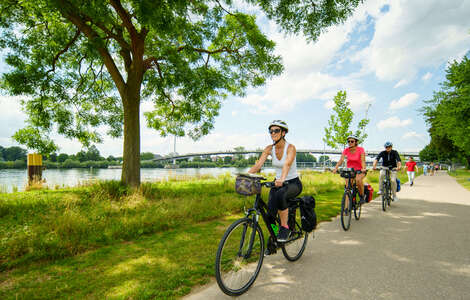
Prioritise greenways and cycle paths
To ride with complete peace of mind, choose greenways, cycle routes and bike paths separated from car traffic.
These routes offer several advantages:
- greater safety;
- less stress for parents;
- smoother riding conditions for children;
- often remarkable landscapes.
France’s major cycling routes offer long sections that are perfectly suited to families, with clear signage and numerous services along the way.
Avoid significant elevation changes

Even though children enjoy taking on challenges, long climbs can quickly turn a beautiful day into a bad memory.
Choose relatively flat routes, especially along rivers, canals or former railway lines that have been converted into cycle paths.
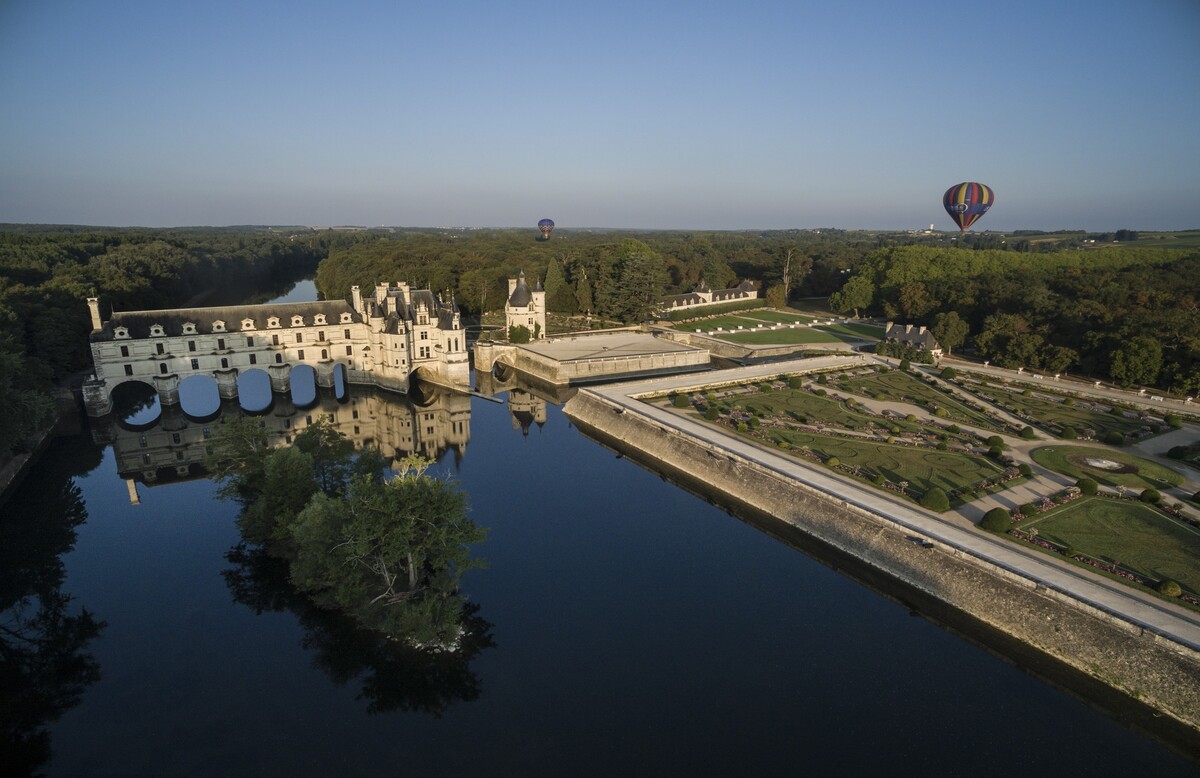
The Loire Valley, the Canal du Midi and the ViaRhôna are among the destinations most appreciated by families.
Adapt distances according to age
There is no universal rule, but a few guidelines can help you plan enjoyable days.
On average:
- 10 to 15 km for children aged 4 to 6 who cycle independently;
- 20 to 30 km for children aged 7 to 10;
- 30 to 50 km for pre-teens who are used to cycling.
If your child travels in a trailer, a child seat or on a tag-along bike, you will naturally be able to cover more kilometres.
The goal is never to break a record, but to reach your destination with a smile.
Plan short stages
One of the most common mistakes is trying to follow an itinerary designed for adults. With children, it is better to reduce distances and spend more time discovering places.
A 25-kilometre stage can easily take up an entire day when you stop to watch animals, visit a village, eat an ice cream or have a picnic by a river.
Planning shorter stages offers several advantages:
- less tiredness;
- greater flexibility;
- less pressure regarding schedules;
- more time to enjoy visits.
Arriving in the middle of the afternoon also allows children to play, rest or enjoy the accommodation’s swimming pool before dinner.
Take frequent breaks

alain-rouiller
Children need to regularly change their pace. Even if everything is going well, plan a break approximately every hour.
These moments allow them to:
- drink;
- have a snack;
- stretch their legs;
- observe their surroundings;
- regain their energy.
Breaks quickly become some of the best memories of the trip when they are carefully chosen. A shaded picnic area, an equipped beach, a park or a small village square can transform a simple stop into a real moment of enjoyment.
Do not hesitate to let children run around for a few minutes before setting off again: they will get back on their bikes with much more enthusiasm afterwards.
Integrating fun moments throughout the journey
Children do not see kilometres in the same way as adults. For them, it is above all the experiences that matter.
A few simple ideas can help maintain their motivation throughout the day.
Organise a treasure hunt
Prepare a list of things to spot during the stage:
- a windmill;
- a lock ;
- a stork ;
- a red tractor ;
- a castle ;
- a barge;
- a sunflower field.
Each discovery becomes a small victory.

stephen-andrews
Create a travel journal
Invite your children to draw what they enjoyed the most, stick in entrance tickets, leaves collected along the way or write a few sentences every evening.
At the end of the holiday, they will have a unique souvenir to take home.
Set up photo challenges
Give them a small camera or a smartphone under your supervision.
Each day can have its own theme:
- photograph the most beautiful bridges;
- the animals encountered;
- the flowers;
- unusual bicycles;
- the prettiest houses.
They will then observe their surroundings much more carefully.
Discover local specialities
Food breaks are also part of the journey. Depending on the region you are travelling through, take the opportunity to enjoy an artisan ice cream, fresh fruit bought at the market, local cheese or a traditional pastry.
These culinary discoveries often remain among children’s best memories.
Choosing the right equipment for the whole family

Suitable equipment contributes greatly to travel comfort. Before departure, check that every bike is perfectly adjusted and maintained. A saddle at the correct height, efficient brakes and tyres in good condition make the days much more enjoyable.
Also remember to adapt the equipment to your children’s age:
- bike seat for the youngest children;
- trailer for longer distances;
- tag-along bike for children who are beginning to pedal;
- their own bike when they are independent enough.
Whatever option you choose, a helmet is essential for every member of the family. It is also advisable to bring some rain clothing, a first-aid kit, sunscreen, a pump, a spare inner tube and some basic tools to deal with small unexpected problems.
Managing meals and hydration during the trip
When cycling, children use a lot of energy. To prevent tiredness and keep them motivated, it is essential to plan meals and snacks in advance.
Bring easy-to-carry snacks
Put some energy-rich and easy-to-eat foods in your panniers:
- fresh fruit (bananas, apples, grapes);
- dried fruit and nuts;
- low-sugar cereal bars;
- fruit purées in pouches;
- homemade biscuits or shortbread
A small snack break can be enough to restore energy before getting back on the road.
Drink regularly
Children often feel thirsty later than adults. It is therefore preferable to offer them drinks before they even ask for them. In hot weather, make sure they have water bottles that are easy to access and take advantage of villages along the way to refill your water supplies. Public fountains, when the water is drinkable, are also very practical. In summer, remember to take breaks in the shade to avoid extreme heat.
Choose picnics
Picnics are one of the pleasures of cycling holidays. They allow you to stop in pleasant places and adapt the pace of the day.
Take advantage of local markets to buy fresh products: bread, cheese, fruit, cured meats or regional specialities. Children generally enjoy taking part in choosing the meal, making the experience even more enjoyable.
Preparing children before departure
A successful trip begins several weeks before getting on the saddle.
Go on some training rides
If your children do not cycle regularly, organise several rides before the holiday.
Start with short distances and gradually increase the mileage. These outings allow you to check that the bike is properly adjusted, that the child feels comfortable and that they gain confidence.
It is also an opportunity to test panniers, the trailer or the tag-along bike in real conditions.

Involve children in the preparation
Children are often more enthusiastic when they take part in organising the trip.
You can ask them to:
- choose some of the visits;
- identify picnic areas;
- select an activity for each stage;
- prepare their small bag with their personal belongings.
They will then feel that they are active participants in the adventure.
Give them small responsibilities
Even the youngest children can take part.
For example:
- check that everyone is wearing their helmet;
- count the kilometres travelled;
- read the cycle route signs;
- take a few souvenir photos;
- keep the travel journal.
These small tasks help develop their independence while strengthening their involvement.
Accepting a slower pace
When travelling with children, it is important to adjust your expectations. The goal is not to cover the greatest possible number of kilometres, but to enjoy a pleasant family experience.
The most beautiful memories are often created by unexpected moments: an impromptu swim in a river, an ice cream enjoyed in a village square, meeting local producers or spending a few minutes watching horses in a field.
Accepting a slower pace means making room for these moments that make the journey unique.
Do not hesitate to change your plans if the children are tired or if an unexpected activity catches their attention. This flexibility is part of the spirit of cycling travel.
Plan a lighter day in the middle of the trip
For multi-day trips, it can be a good idea to schedule a less demanding day.
This stage may include:
- a visit to a castle;
- a boat ride;
- swimming;
- a wildlife park;
- a craft workshop;
- a food discovery experience.
This break allows the whole family to recover while continuing to explore the region.
Children generally set off again the next day with renewed motivation.
Anticipating small unexpected events
Even with excellent preparation, some unexpected situations may occur. A puncture, a rain shower or a child feeling a little tired are all part of the adventure.
The most important thing is to remain flexible.
Remember to bring:
- a small first-aid kit;
- some blister plasters;
- a lightweight waterproof jacket;
- a power bank for your phone;
- a paper map as a backup to GPS;
- a bike repair kit.
With a little anticipation, these situations can be quickly resolved and often become good stories to tell after the holiday.
The most common mistakes to avoid
Some mistakes regularly occur during a first cycling trip with children. The first is planning stages that are too long. Even if adults feel capable of continuing, younger riders can quickly lose motivation.
Another mistake is trying to stick to an overly strict schedule. Holidays should remain synonymous with enjoyment, not imposed timetables. It is also preferable to travel light. Overloaded panniers make the bike less pleasant to ride and make stops more complicated. Finally, never underestimate the importance of breaks. A few minutes of rest, a snack or a fun activity are often enough to transform a day.
Why choose a trip with Trip My France Bike Tours?
Organising a family cycling trip takes time: choosing the right route, booking accommodation, transporting luggage and anticipating unexpected events. By choosing an organised trip with Trip My France Bike Tours, you can fully enjoy your holiday while keeping the freedom to travel at your own pace.
The routes are carefully selected to prioritise safe cycling paths and the most remarkable landscapes. The stages are designed to be enjoyable and accessible for families, with comfortable accommodation adapted to cycling travellers. Daily luggage transport allows you to cycle lightly, while assistance available throughout the route provides genuine peace of mind. All you have to do is enjoy the scenery, discoveries and moments spent with your children.
Travelling by bike with children is an accessible, enriching adventure full of surprises. With a suitable route, reasonable stages, regular breaks and a few fun activities, the whole family can fully enjoy this unique experience.
Ultimately, the kilometres covered matter less than the memories created together: picnics by the water, encounters with local people, villages crossed along the way, laughter and the children’s pride at each completed stage.
By choosing a safe and well-organised route, cycling holidays become much more than a simple trip: they turn into a family adventure that everyone will remember for years to come.