How does a cycling stage unfold?
A cycling stage is about much more than a distance to cover. It’s a day paced by landscapes, villages along the way, spontaneous breaks and discoveries. And when the logistics are organized in advance, you can truly enjoy what matters most: cycling, exploring, stopping whenever you feel like it and savoring your destination.
But concretely, what does a typical day look like during a cycling trip? Here are the main stages of an ideal day, from dropping off your luggage in the morning to dinner in the evening.
1 . In the morning: drop off your luggage and set off with a light mind
The day starts peacefully. After breakfast, it’s time to prepare your belongings for the next stage. Your luggage is dropped off at the designated point, then taken care of and transported to your next accommodation. So you don’t need to carry all your belongings on your bike.
The principle is simple: you drop off your luggage, get on your bike and set off!
Simply keep with you what you’ll need during the day: a water bottle, a light jacket, a few personal belongings, your phone and possibly a small snack. Riding light really changes the experience. The bike is more pleasant to handle, climbs are easier and you can enjoy the scenery more without feeling like you’re carrying your entire house on your luggage rack.
2 . In the saddle: enjoy the route at your own pace
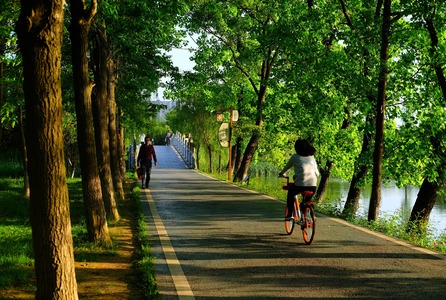
Once your luggage has been dropped off, it’s time to enjoy the ride.
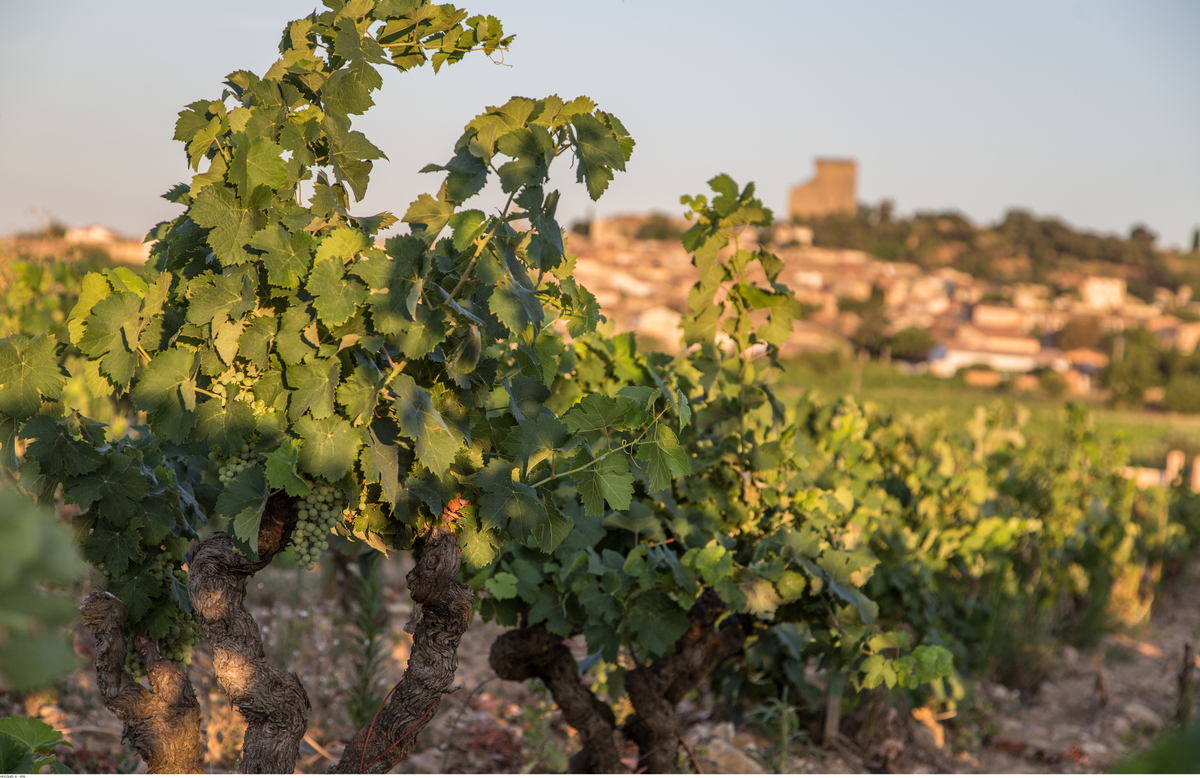
Each stage is an invitation to take your time. The goal isn’t necessarily to arrive as quickly as possible, but to enjoy the journey. You may pass through small villages, ride alongside a river, cycle through vineyards or discover landscapes you would never have seen from a car. That’s precisely what makes cycling travel so charming: being close to your surroundings and having the freedom to stop easily.
A beautiful view? Stop. A village intrigues you? Take a detour. A terrace catches your eye? Why not stop for a coffee? Cycling gives you that freedom. The route provides a direction, but the day remains yours.
Don’t focus on performance
Even if you like to ride at a good pace, always allow some time for unexpected events and discoveries. A successful stage isn’t the one where you arrive as quickly as possible. It’s the one where you feel that you truly enjoyed the journey.
3 . Take a break to recharge your batteries
After a few kilometers, a break is always welcome. The stop can take different forms: a coffee in a village, a bakery where you can buy some local specialties, a bench by the water, a picnic area or simply a beautiful spot where you can leave your bike for a few minutes. These breaks obviously allow you to recover physically, but they are also an integral part of the journey.
Take the opportunity to drink regularly, eat something if necessary and take the time to look around you. And why not use a break as an opportunity to discover a little local curiosity? A church, a market, a castle, a viewpoint or a producer can sometimes be just a few minutes from your route.
Cycling travel is also built around these little unexpected moments.
4 . Arrival at your destination: your luggage is waiting for you
After several hours of cycling, you finally arrive at your destination. The good news? You don’t have to worry about your luggage. It has been transported to your next accommodation and is waiting for you there. You can then check into your room, settle in comfortably and enjoy a well-deserved moment of rest.
A shower, a few minutes to relax… and you’re ready to discover the destination in a different way. Because a cycling stage doesn’t necessarily end when you put your bike down.
5 . After cycling: go for a walk!
This is often one of the pleasures of cycling travel: arriving at a new destination and still wanting to explore it. Leave your bike behind and set off on foot.
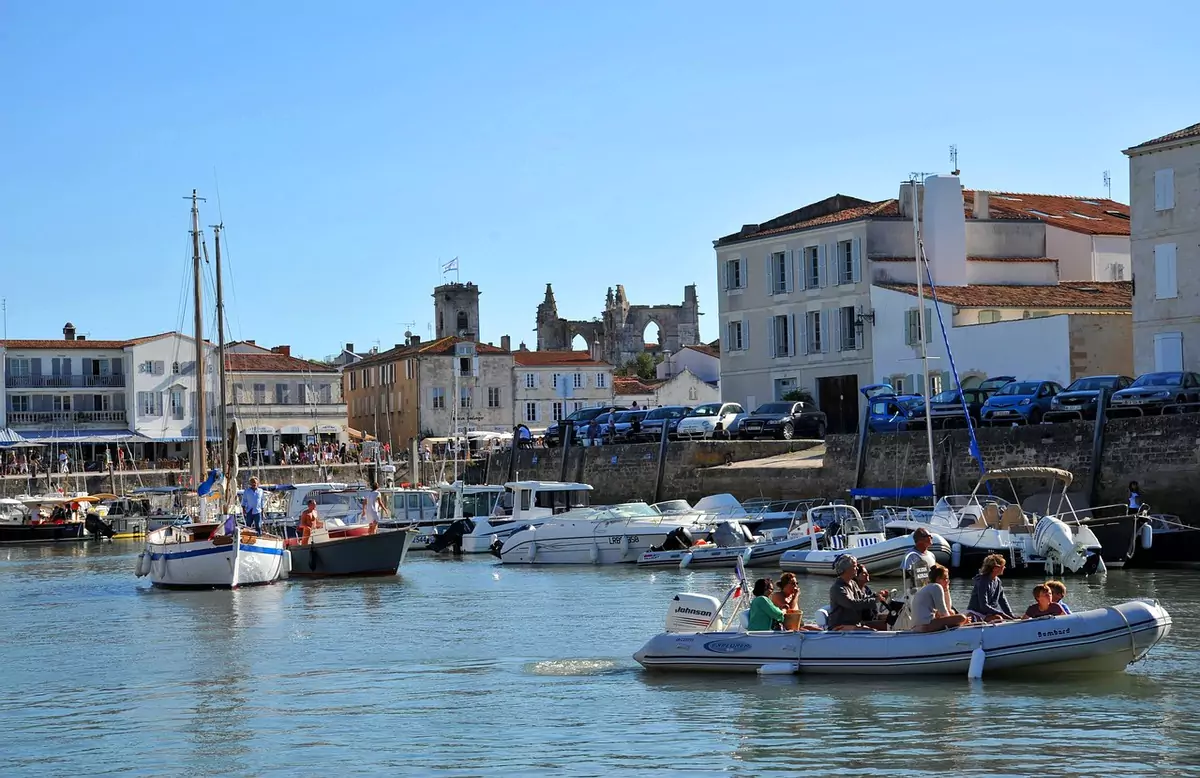
Wander through the narrow streets, discover the historic center, visit a monument, step into a small shop or simply sit down on a terrace and watch local life. This walk allows you to discover another side of the destination. After several hours on the bike, the pace naturally changes. You walk slowly, take your time and enjoy the atmosphere of the place. It’s also an excellent way to discover the best places to go in the evening!
6 . In the evening: time for a restaurant!
After a busy day, comes the moment many people look forward to: dinner. And after cycling several dozen kilometers, local specialties inevitably have a particular flavor! Take advantage of the evening to discover the cuisine of the region. Local produce, traditional specialties, home-style cooking or a gourmet restaurant: everyone has their own style. The restaurant is also an opportunity to look back on the day: the landscapes you crossed, the little climb that gave you a hard time, that lovely unexpected break or that encounter along the way.
And above all, take the time to calmly prepare for the next stage.
7 . A day without constraints… and a new departure the next day

pcdazero
The next morning, the process starts again. After a good night’s sleep and breakfast, you collect your bike, prepare your belongings for the day and your luggage heads off to the next destination. All you have to do is get on your bike. That’s the simplicity of a touring trip with luggage transport: you change stages every day without having to worry about the logistics. You move from destination to destination while maintaining that feeling of freedom that is unique to cycling travel.
Our tips for making the most of your stage
To make your day as enjoyable as possible, a few simple habits can make all the difference.
Plan breaks and don’t schedule your day down to the last kilometer. The pleasure also comes from detours and discoveries. Keep a small jacket close at hand. The weather can change quickly, especially when you’re on a multi-day trip. Always keep a water bottle easily accessible and drink regularly, even when you’re not particularly thirsty. A cereal bar, a piece of fruit or some dried fruit can be useful between two breaks.
The route is there to guide you, not to impose a pace on you. A cycling stage should remain an enjoyable experience. Because ultimately, the most beautiful thing about a cycling trip isn’t just the destination. It’s everything you discover along the way.