
Imagine a journey where every pedal stroke reveals a new wonder. Enjoy the flower-filled lanes and salt marshes of Île de Ré. Appreciate a scenic arrival by boat into La Rochelle and the endless beaches of the Wild Coast. Admire the white cliffs overlooking the Gironde estuary, and finally cycle in the legendary vineyards of the Médoc. This cycling tour is more than an itinerary. It is an immersion in Atlantic light, the charm of historic villages, and the excellence of world-class wines, culminating in Bordeaux.
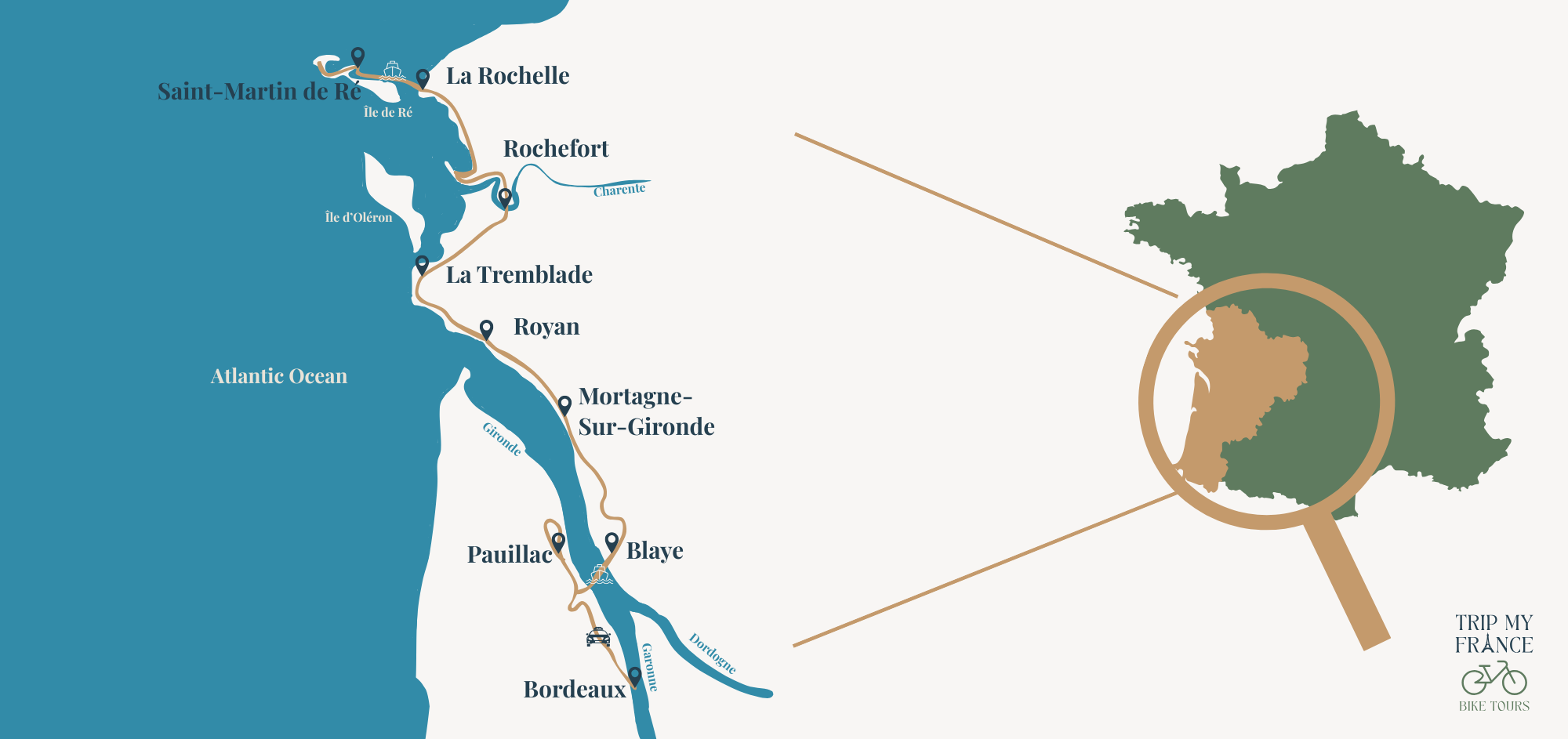
The Île de Ré (Island on the Atlantic Coast) is a world of its own. Linked to the mainland by a bridge from La Rochelle, the island reveals an astonishing mosaic of landscapes. Enjoy endless sandy beaches, windswept dunes, pine forests, sun-drenched vineyards and shimmering salt marshes. Nicknamed “Ré la blanche” for its whitewashed houses, the island has long been shaped by man, from salt harvesting and oyster farming to viticulture.
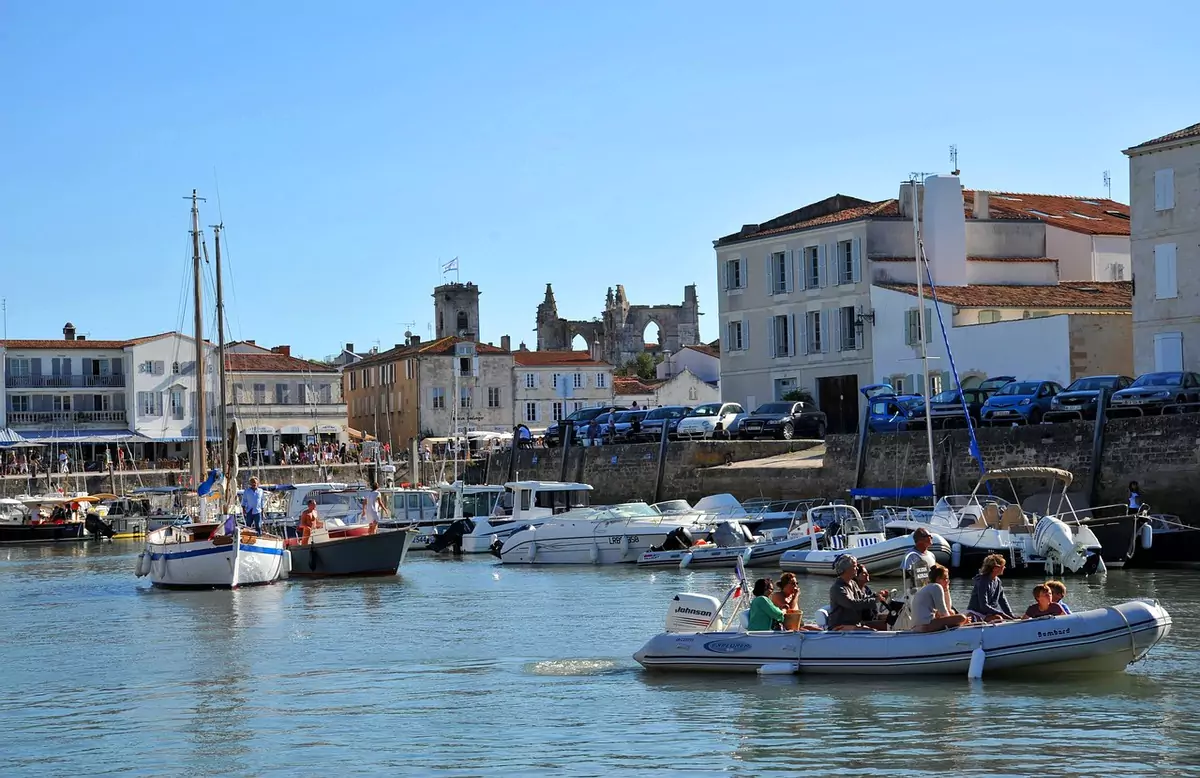
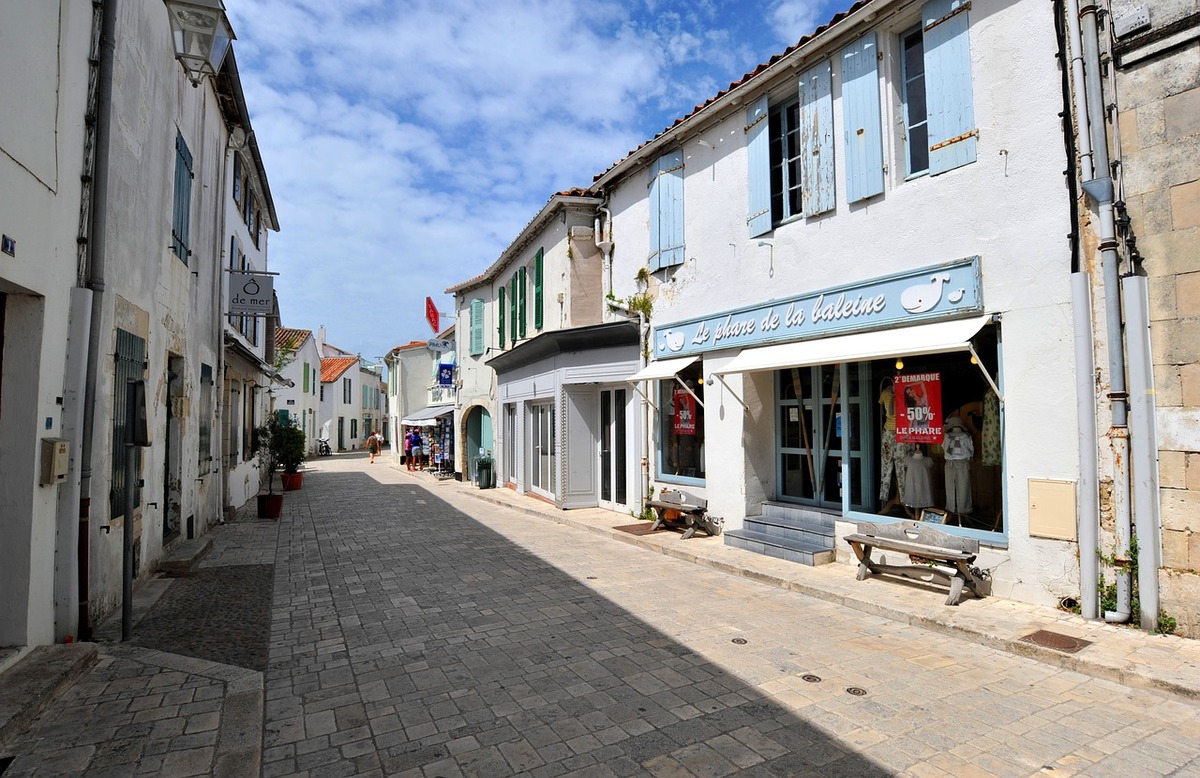
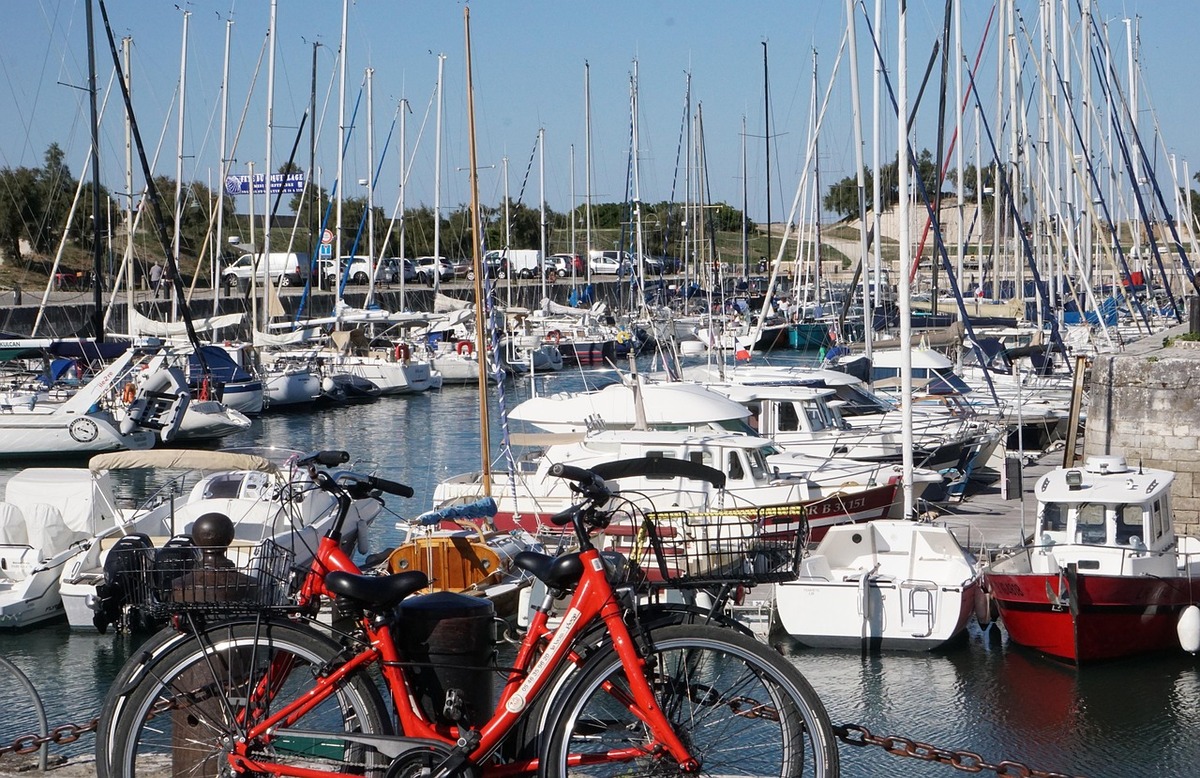
In Saint-Martin-de-Ré, the historic capital of the island, the charm is immediate. Listed as a UNESCO World Heritage Site for its Vauban fortifications, the town played a key role in the defense of the coast. Its majestic ramparts and lively harbor still echo with this maritime and military history. Yet Saint-Martin is also a vibrant village, with cobbled lanes, green-shuttered houses draped in hollyhocks, animated terraces and markets brimming with local flavors. Here, the island’s easygoing way of life can be felt everywhere. The lively cafés around the harbor invite you to relax with a drink. While the little shops and markets brim with local treats.
Even the traditional donkeys in trousers, once used in the salt marshes, remain a charming symbol of the island. A walk along the ramparts at sunset, with sweeping views over the ocean, is the perfect way to begin your journey.
Cycling is the best way to experience the diversity of Île de Ré. From Saint-Martin, the route first passes through vineyards bathed in light before reaching Le Bois-Plage. It is a village surrounded by sandy beaches. Further on, La Couarde-sur-Mer offers flower-filled lanes and a relaxed seaside atmosphere. Then the path leads into the great salt marshes. Here, shimmering basins reflect the sky, and herons and egrets move gracefully across this luminous landscape.
Soon, you arrive at Ars-en-Ré, listed among the “Most Beautiful Villages of France.” Its black-and-white bell tower has guided sailors for centuries, and its narrow streets lined with hollyhocks exude authentic charm. At the far end of the island stands the impressive Phare des Baleines lighthouse. From the top, the view is breathtaking. The Atlantic stretches endlessly, wild beaches whipped by the wind, and dunes rolling to the horizon.
On the way back, you cycle through Loix. It is a tiny harbor town surrounded by water and salt marshes, before following the coast back to Saint-Martin. Along the way, a stop in an oyster hut is the perfect chance to taste fresh oysters and seafood.
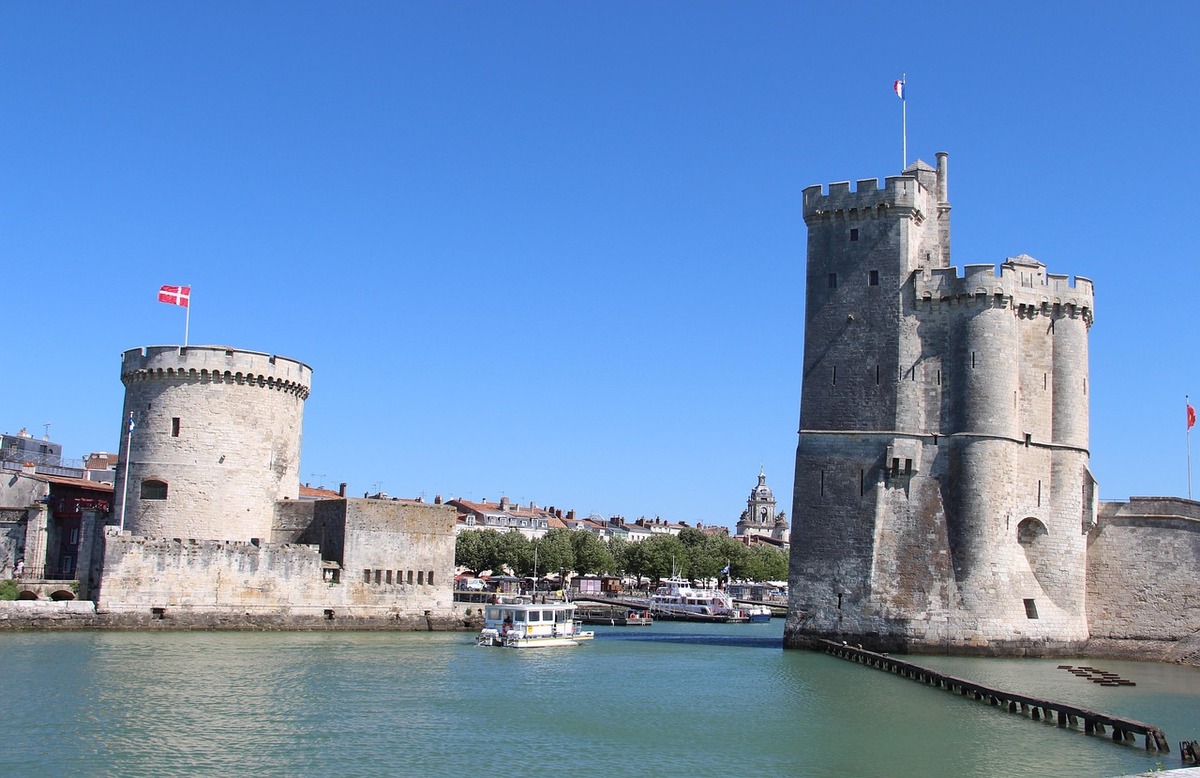
After your last moments on Île de Ré, you board a boat for the crossing to La Rochelle. From the water, the view is striking. Saint-Martin’s ramparts fade away, while the silhouette of La Rochelle and its iconic medieval towers appears ahead.
Known as the “Atlantic Gateway” since the Middle Ages, La Rochelle thrived as a Protestant stronghold and a major trading port. Its old harbor, flanked by the Saint-Nicolas Tower and the Chain Tower, is a symbol of this maritime legacy. A guided tour reveals arcaded streets, lively squares, bustling markets and grand townhouses that speak of its past prosperity. Today, La Rochelle is both historic and modern, with lively quays, Europe’s largest marina at Les Minimes, and cultural venues that reflect its openness to the sea and the world. The day ends with a leisurely stroll along the harbor, as the towers light up in the evening glow.
Leaving La Rochelle, the route hugs the coast towards Angoulins, where the rocky shoreline reveals oyster beds and traditional fishing huts called carrelets. The scenery soon shifts into vast marshlands, shimmering with reflections and alive with migratory birds. Cycling onward, you reach Châtelaillon-Plage, a Belle Époque seaside town with a long sandy beach and elegant seafront promenade.
Further south lies Fouras, a small peninsula with sweeping views of the Île d’Aix, Île d’Oléron and Île de Ré. Its beaches and fortress make it an inviting stop before continuing along the Charente River to Rochefort. Founded in the 17th century by Colbert as a royal arsenal, Rochefort still showcases its maritime heritage. The imposing Corderie Royale rope factory and the National Navy Museum bear witness to its prestigious naval past.
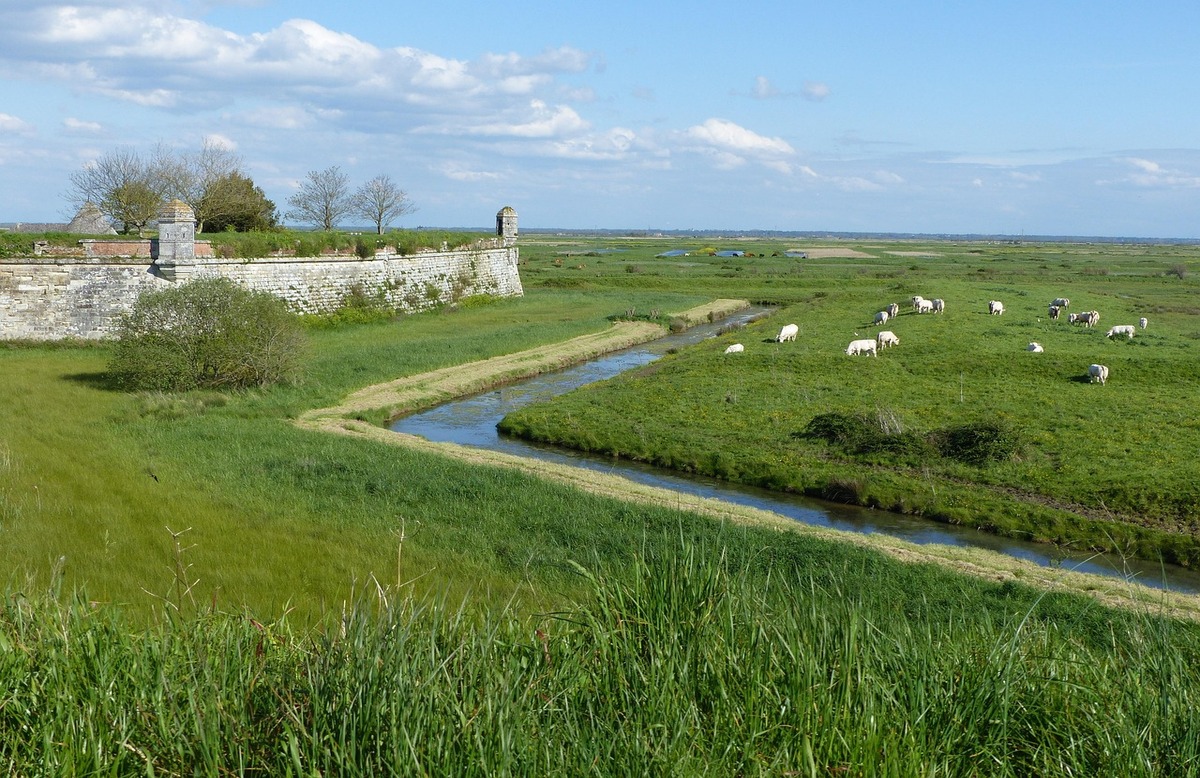
The day begins with a unique crossing of the Charente on the Rochefort Transporter Bridge, the last of its kind in France. From there, you follow the tranquil Seudre Canal, which winds through fields and villages before reaching Brouage, a 17th-century fortified town designed by Richelieu and once a major salt-trading hub. Encircled by massive ramparts, its cobbled streets and bastions overlook the surrounding marshes, offering a stop that is both cultural and picturesque.
Cycling on, you enter the vast oyster-farming marshes, dotted with colorful huts, canals and oyster beds that stretch to the horizon. The stage ends at Ronce-les-Bains, a charming seaside resort at the edge of the Coubre forest. With Belle Époque villas, a relaxed atmosphere and ocean views, it is the perfect balance of history, nature and seaside charm.
From Ronce-les-Bains, you cycle into the Coubre Forest, a vast expanse of maritime pines where the scent of resin mingles with ocean air. Emerging from the forest, the horizon suddenly opens onto the Wild Coast, one of the most spectacular stretches of the Charente coastline. Dunes roll endlessly, waves crash against golden sands, and the red-and-white Coubre Lighthouse watches over the seascape.
The route then follows the lively seafront of La Palmyre, with its sheltered beaches and holiday atmosphere, before continuing to Saint-Palais-sur-Mer. Here, Belle Époque villas overlook charming coves known as “conches,” offering postcard-perfect views of the Atlantic.
Your day ends in Royan, the stylish seaside capital of the Côte de Beauté. With its sweeping beach, 1950s architecture, vibrant port and terraces facing the sea, Royan blends retro elegance with modern vitality.
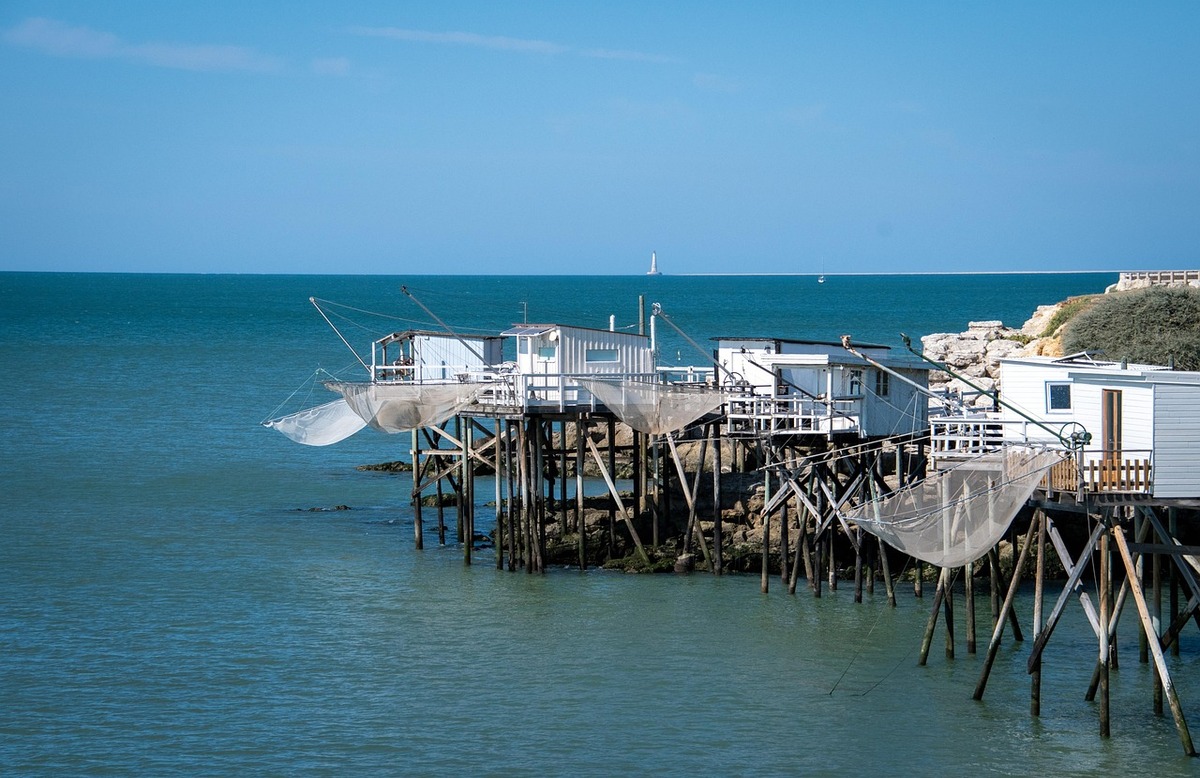
Leaving Royan, you follow the Gironde estuary, where the ocean gives way to wide, shimmering waters. Your first stop is Meschers-sur-Gironde, famous for its dramatic white cliffs dotted with troglodyte dwellings. Traditional fishing huts on stilts add to the picturesque scene.
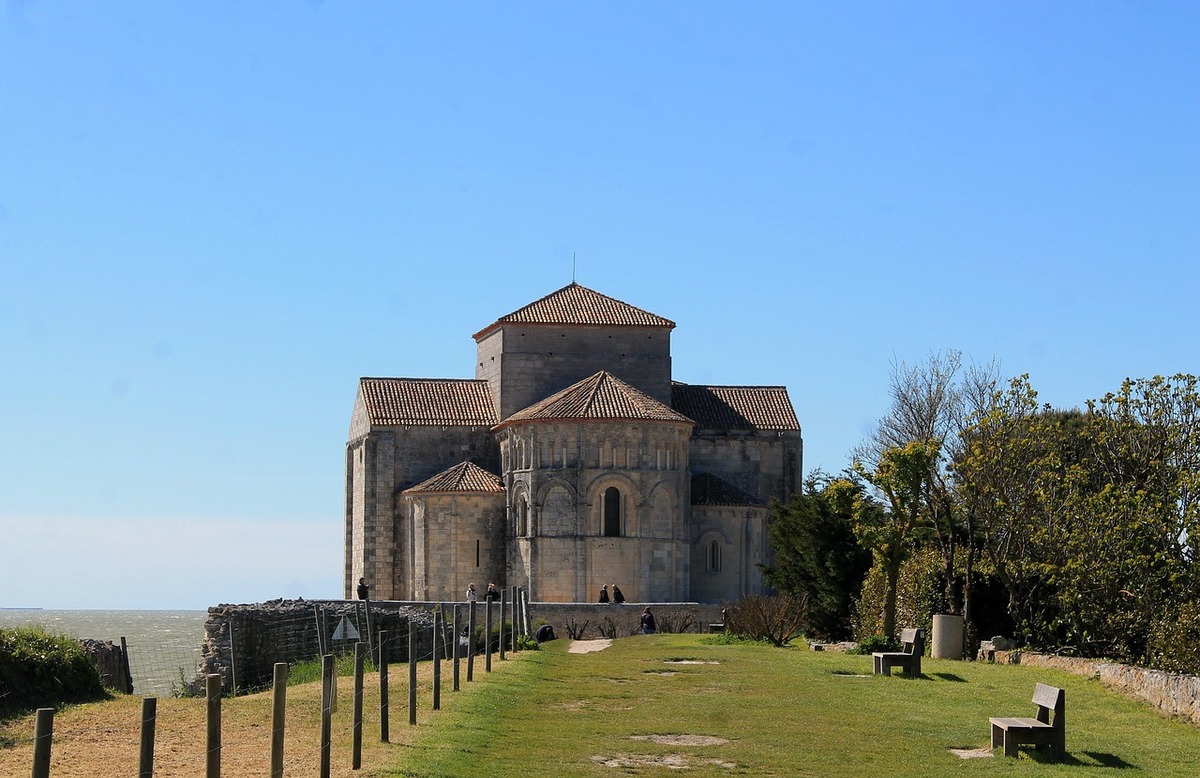
Further along lies Talmont-sur-Gironde, one of France’s “Most Beautiful Villages.” This medieval town is perched above the estuary, with its narrow streets bursting with hollyhocks and the iconic Sainte-Radegonde Church standing proudly on the cliff’s edge.
The day finishes in Mortagne-sur-Gironde, a village overlooking its peaceful harbor. From the clifftop, the sunset over the estuary bathes the landscape in golden light — an unforgettable sight.
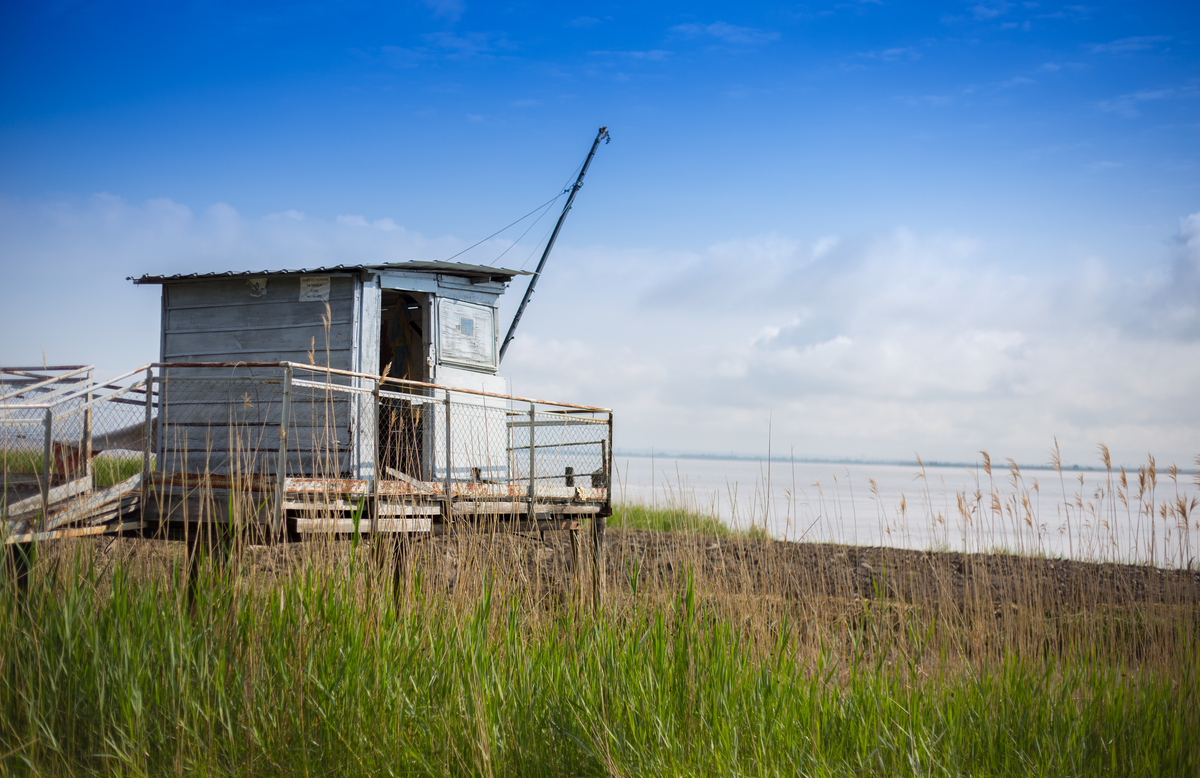
The route southwards reveals a more rural and tranquil landscape: gentle hills, stone villages, vineyards and meadows line the road. Occasionally, the view opens onto the estuary, with its small islands and solitary fishing huts. The atmosphere is calmer here, more pastoral, leading you naturally toward the Bordelais.
At the end of the stage, you arrive in Blaye, where the monumental Vauban Citadel, a UNESCO World Heritage Site, dominates the Gironde. Its bastions and ramparts offer sweeping views, while the town itself welcomes you with markets, wine estates and a warm riverside charm.
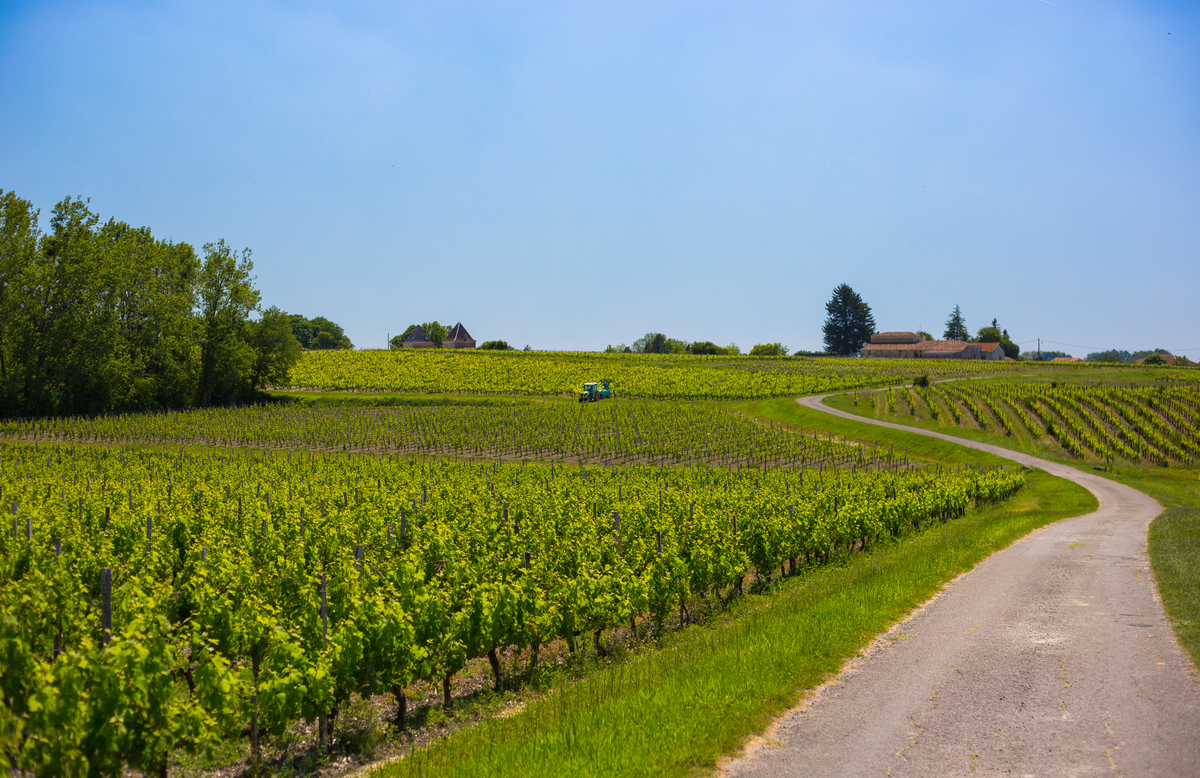
The day begins with a ferry crossing from Blaye to Lamarque, a short but memorable way to enter the Médoc. From Lamarque, the road carries you north through the vineyards, past elegant wine estates and châteaux whose names resonate worldwide. A loop takes you up to Saint-Estèphe, an appellation renowned for its powerful yet refined wines. Here, the vineyards roll down toward the estuary, and legendary estates like the Cos d’Estournel showcase the Médoc’s grandeur.
You return to Pauillac, the capital of the Médoc, where world-famous names such as Latour, Lafite and Mouton-Rothschild define the skyline. The day concludes with a château visit and tasting, a celebration of your immersion in the land of grands crus.
Your cycling journey ends in Pauillac, surrounded by the Médoc vineyards. A private transfer takes you to Bordeaux, the world’s wine capital and a UNESCO World Heritage city.
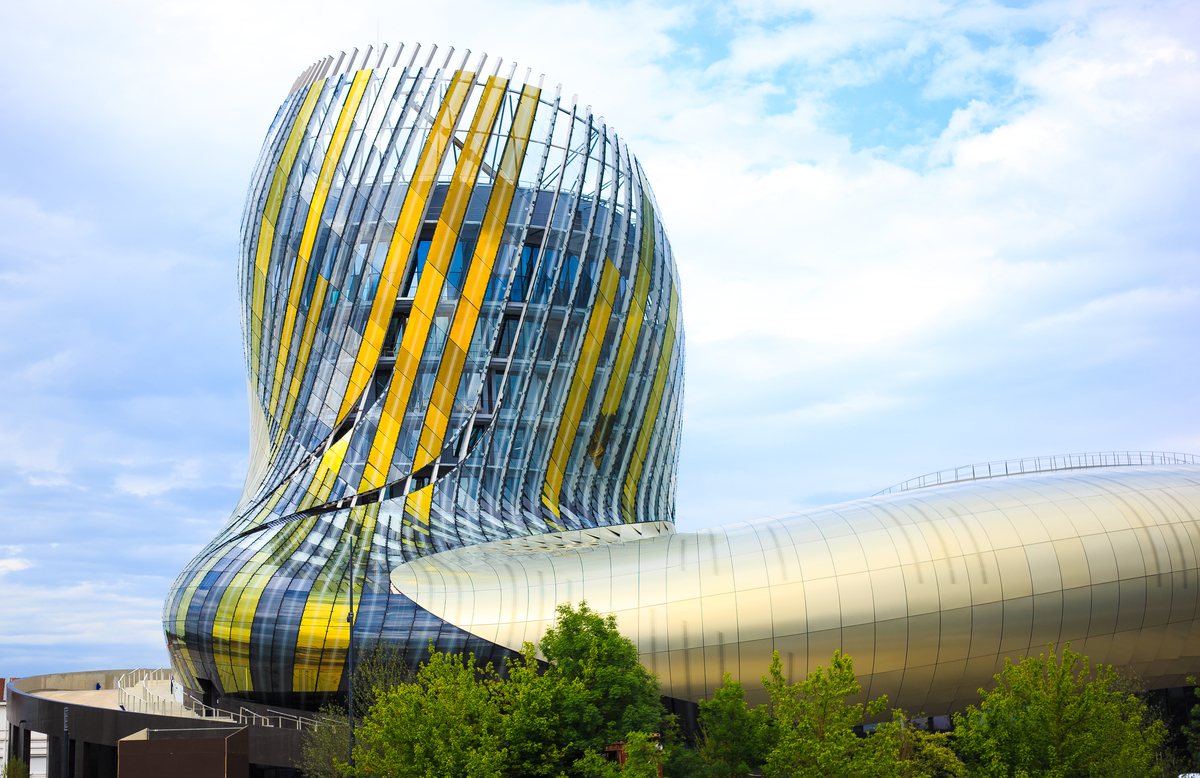
You may choose to extend your stay here: stroll along the lively quays, explore the Saint-Pierre district, admire the Place de la Bourse and its Water Mirror, or visit the Cité du Vin for a sensory journey through global wine culture.
Whether you continue your travels or return home, this cycling holiday between the Atlantic islands, the Gironde estuary and the Médoc vineyards will remain an unforgettable adventure — a perfect blend of landscapes, flavors and French art de vivre.
This option features a curated selection of charming 3-star hotels and lovely guesthouses, perfect for cyclists looking for a warm, welcoming place to unwind after a day on the road.
These are authentic, friendly accommodations that truly understand the needs of bike travelers, offering a pleasant setting, reliable comfort, and a genuine sense of hospitality.
The goal is to combine comfort, simplicity, and character.
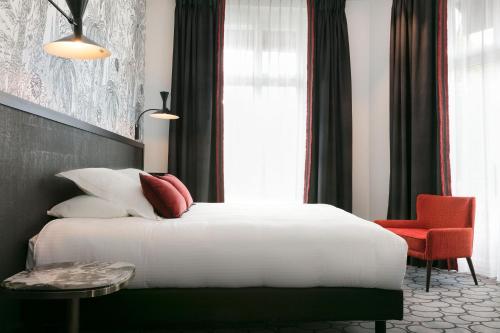
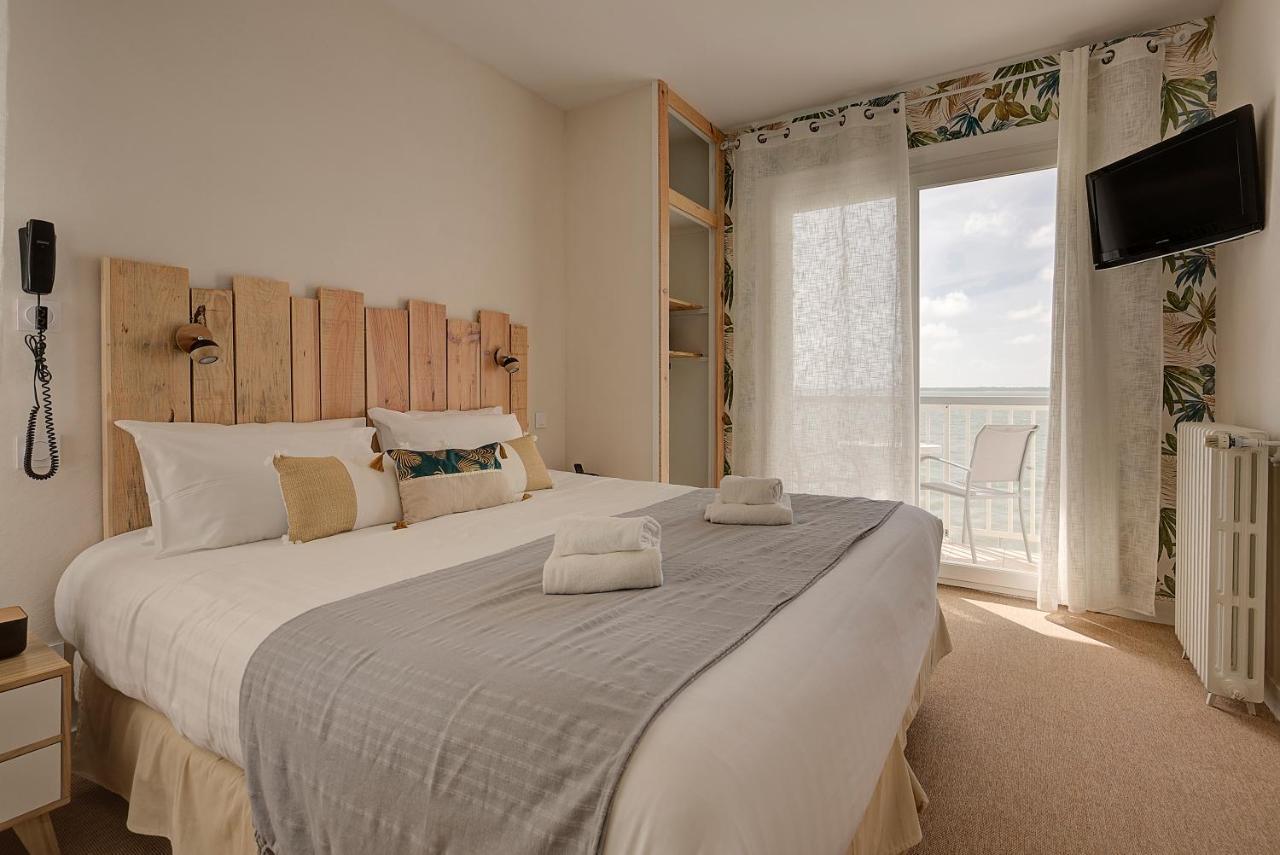
* Photos for illustration purposes only
(based on double occupancy)
Daily arrival in 2026
Options
By train
La Rochelle railway station is served by TGV and Intercités trains. From Paris, the journey takes about 2 h 30 to 3 hours. The station is located just a few minutes’ walk from the city centre and the Vieux-Port de La Rochelle.
By air
La Rochelle – Île de Ré Airport is around 15 minutes from the city centre. It offers regular connections to several French and European cities. Buses, taxis and car rental services provide quick access to the centre and the station.
By car
La Rochelle is accessible via the A10 motorway (from Paris) and then the N11. The city has numerous car parks in the centre.
The return from Bordeaux is not arranged by us. Each participant is therefore free to plan their departure according to their preferences and schedule.
If you need recommendations to organize your return or extend your stay in Nouvelle-Aquitaine, please feel free to contact us.
On the first or second day of your stay, we will deliver your rental bikes directly to your hotel. Each bike is carefully fitted to your height and comes fully equipped with:
For this trip, you can choose from the following rental options:
If you prefer to bring your own bike, that is absolutely fine. A discount will be applied to your booking.
So you can fully enjoy your journey without worrying about your belongings, we arrange luggage transfers at each stage of your trip:
Each rental bike comes equipped with a rear pannier, perfect for carrying your daily essentials. If you plan to arrive at your next accommodation before 5:00 PM, we recommend packing a change of clothes or an extra outfit in your rear bag.
To support you throughout your trip, we provide the tour’s GPS tracks. They allow you to follow each stage of your cycling itinerary independently, directly from your smartphone.
This site uses cookies to improve your experience. You can accept or decline their use. Some features may be limited if you decline.