Best Time to Go Biking in France: A Guide
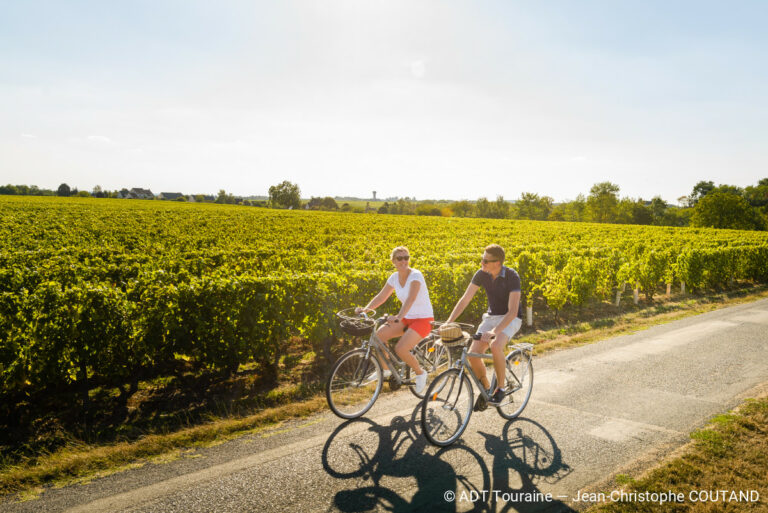
Are you dreaming of a cycling trip in France, but still unsure about the dates? Good news: in France, you can cycle all year round. In fact, every season has its own charms and best regions to visit. In spring and fall, the roads are quiet and the days are mild. Summer then opens up the great Alpine passes. Finally, winter awaits you in the sunshine of the French Riviera or Corsica. So, there’s a great time to cycle in France every season.
However, France is a large country. So the real answer depends on which region you choose. For example, Provence, the Loire Valley, and the Alps each have their own pace of life. As a result, what might be a perfect month in one region could be sweltering, crowded, or snowy in another. So let’s take a look at the year together, season by season.
1 . Spring: Is it the best time to go biking in France?
The Loire Valley and Its Gardens in Bloom
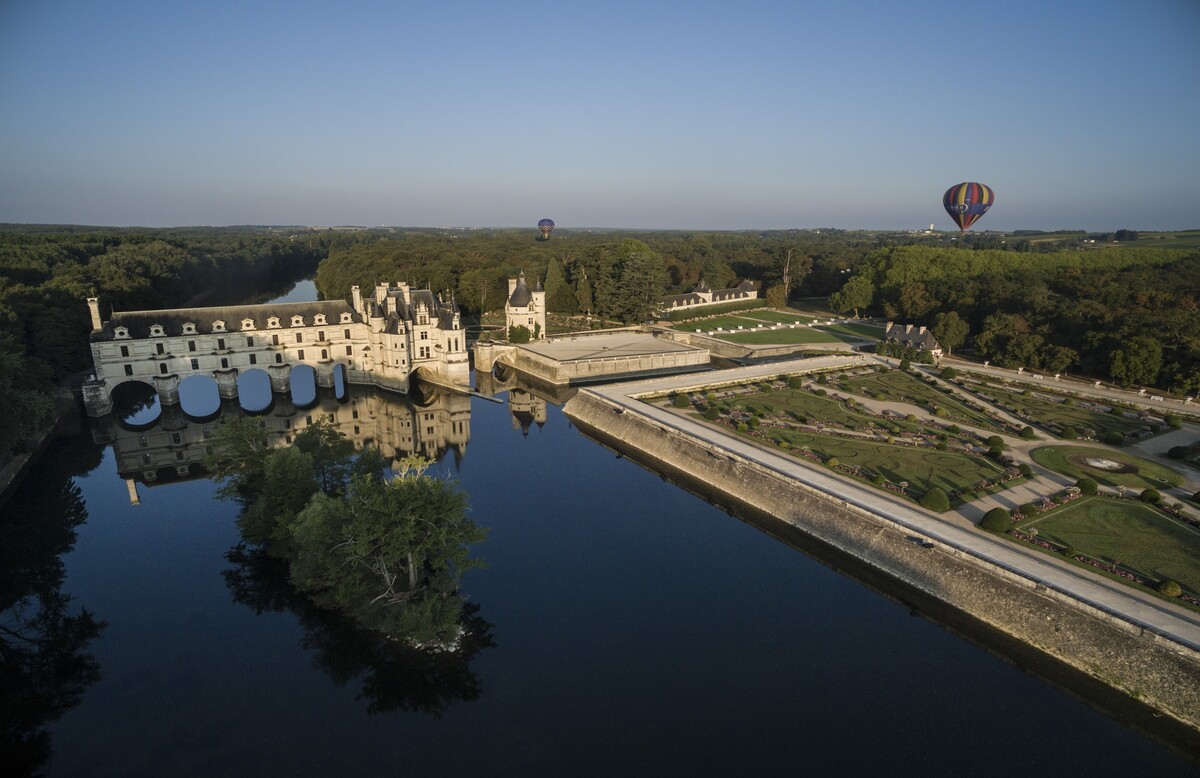
First, April and May mark nature’s great awakening. In the Loire Valley, the castle gardens are ablaze with flowers. The paths along the river remain green and peaceful, well before the summer tourists arrive. This makes it the best time to go cycling in France if it’s your first time. Do you love gardens? Then be sure to stop by the Domaine de Chaumont-sur-Loire, located between Blois and Amboise. Its International Garden Festival showcases some 30 creative gardens from late April through early November.
Along the river, castles dot the route at each stop. For example, you can visit Chambord, Chenonceau, or Villandry, famous for its gardens. The distances between towns are short, so each day leaves plenty of time for sightseeing. In the evening, wines from Vouvray, Saumur, or Chinon pair perfectly with the local cuisine. That’s why the Loire Valley is also a great destination for families.
Provence Before the Heat
Further south, Provence also shows itself at its best. The heat hasn’t yet settled over the hills, and the villages of the Luberon seem to belong to you. However, keep an eye out for the mistral, that strong north wind that blows through the Rhône Valley. On calm days, it’s pure bliss. When the wind is strong, though, a flexible itinerary makes all the difference.
In the spring, the markets of Provence also come alive with color. In the Luberon, Gordes and Roussillon—with their ochre cliffs—are well worth a detour. The more athletic visitors can even tackle Mont Ventoux, nicknamed the “Giant of Provence.” On the other hand, cyclists looking for a more leisurely ride will prefer the small roads winding through vineyards, olive groves, and cherry orchards in bloom. In addition, the “Around the Luberon by Bike” route offers marked trails for all skill levels.

Burgundy: Between Vineyards and Greenways
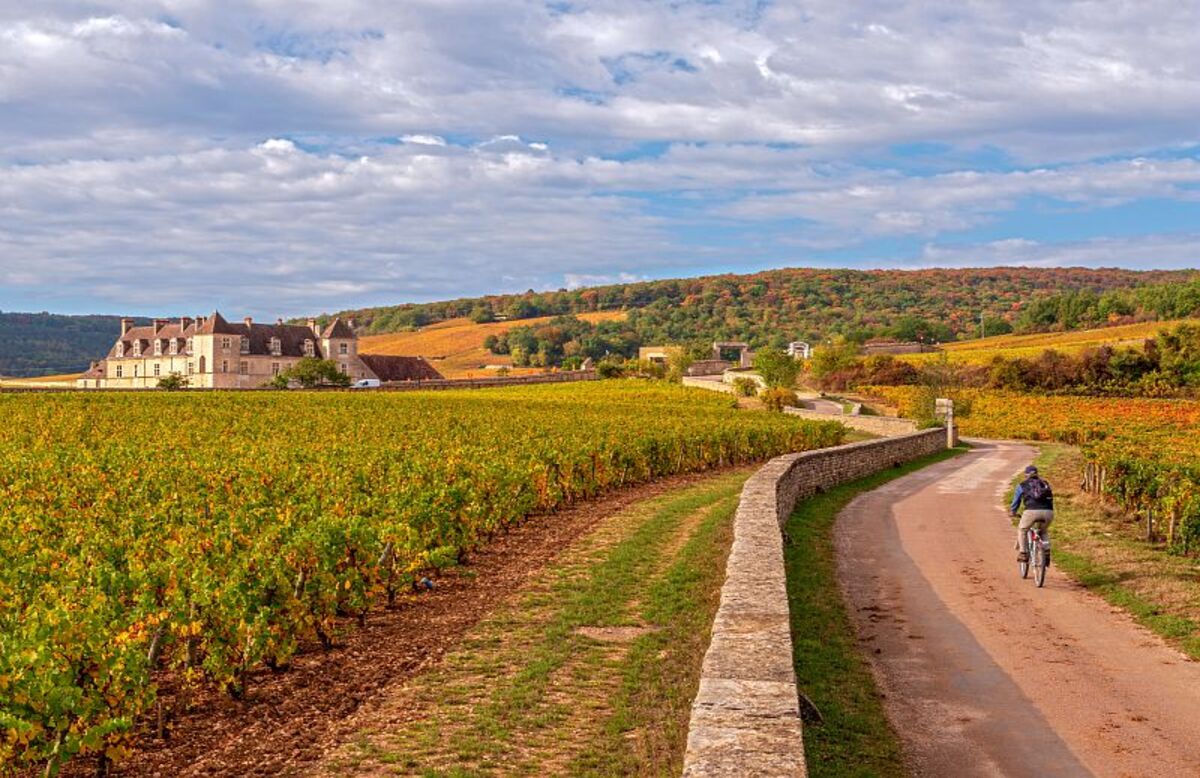
Finally, Burgundy is stunning in late spring. The vineyards are turning green, the wineries are opening their doors, and the greenway winding through the vineyards is a delight to explore. Be aware, however, of the many holidays in May. So be sure to book your hotels well in advance.
Between Beaune and Santenay, the Voie des Vignes winds through villages with prestigious names, such as Pommard and Meursault. The route is flat and safe, far from traffic. Further north, the Route des Grands Crus takes you toward Gevrey-Chambertin and Dijon. You can alternate between wine tastings, cellar tours, and gourmet breaks. Finally, don’t forget to try the beef bourguignon or Dijon’s famous gingerbread.
2 . Summer: Head for the Mountains and the Coast
The Alpine Passes and the Tour de France
In the summer, the high mountains finally open up to cyclists. The major Alpine passes, which are often closed due to snow until late spring, become passable. Plus, July is the month of the Tour de France. It’s therefore the perfect opportunity to climb a legendary pass.
Among the legendary mountain passes, the Galibier, the Iseran, and the Alpe d’Huez—with its 21 turns—are the stuff of every cyclist’s dreams. These climbs, however, require thorough preparation. Fortunately, e-bikes now make them accessible to a much wider audience. In the morning, the air is still cool, and the light bathes the peaks in a sublime glow. Be sure to bring a windbreaker, though, as the descents can be chilly, even in the middle of summer.
The lavender fields and the freshness of the Atlantic

Volker meyer
In the lowlands, however, summer requires a bit more planning. For example, Provence is magical when the lavender is in bloom, usually from late June to mid-July. However, the afternoons can get very hot. The trick is to set out early and then enjoy a long lunch in the shade. Otherwise, Brittany and Normandy, cooled by the ocean, offer great alternatives.
To admire the lavender, head to the Valensole Plateau or the area around Sault. There, the purple fields stretch as far as the eye can see, accompanied by the song of cicadas. On the Atlantic coast, the Vélodyssée bike route crosses Brittany and then follows the coast southward. In Normandy, you can also visit Mont-Saint-Michel or the D-Day beaches. Thus, summer offers a wide variety of landscapes, from the sea to the countryside.
August: Our Tips for Avoiding the Crowds
As for August, a word of caution is in order. This is the month when the French themselves go on vacation. The coastlines and famous tourist sites fill up quickly. In addition, some small restaurants close for their annual holidays. If you’re traveling during this time, it’s best to choose lesser-known regions. To find ideas for peaceful driving routes, be sure to check out our other blog posts as well.
August 15, a national holiday, actually marks the peak of the summer tourist season. To enjoy a quieter getaway, consider destinations like the Jura, Berry, or Auvergne. Their winding roads wind through forests, past lakes, and through charming villages. Plus, temperatures there are often more bearable than along the Mediterranean coast. Finally, book your accommodations several months in advance, as the best places fill up quickly.

Stephanie NADOU
3 . Fall: The Best Time to Enjoy a Peaceful Bike Ride in France
Ask a local guide what their favorite season is: many will say September. That’s because the summer crowds have left, and the water is still warm. The light also takes on a golden hue in the late afternoon. For many cyclists, this makes it the best time to cycle in France without the crowds.
The days are still long, and the temperatures are once again perfect for cycling. On the Mediterranean coast, you can even go for a swim after a great day’s ride. Hotels also often offer lower rates than in the height of summer. Plus, the village terraces are quiet again. The locals take the time to chat with you, which makes the trip even more authentic.
The Grape Harvest in Burgundy and the Bordeaux Region

Fall is also harvest season. In Burgundy and around Bordeaux, the grape harvest brings the villages to life. Cycling among the grape pickers is truly an unforgettable experience. Do you love wine? Then stay until the third weekend in November for the Hospices de Beaune Wine Auction. It’s the oldest charity auction in the world. Wine tastings and parades bring the whole town to life. Meanwhile, the Dordogne and the Loire regions are ablaze with color. It is the oldest charity auction in the world. Wine tastings and fashion shows bring the whole city to life. Meanwhile, the Dordogne and Loire regions are ablaze with warm colors, and the markets are overflowing with mushrooms and chestnuts.
In the Bordeaux region, Saint-Émilion—a UNESCO World Heritage Site—is also worth a visit. Its medieval streets and cellars carved into the rock charm every visitor. Around Bordeaux, several bike paths also wind safely through the vineyards. Many wineries offer tastings, sometimes even during the grape harvest. Be sure to book your visits in advance, however, as fall is a very busy time for winemakers.
Extend the season in the south
Starting in mid-October, however, the days get shorter and the mornings get cooler. This is especially true in the north and in the mountains. The south, on the other hand, remains pleasant a little longer. That’s why Provence and the Mediterranean let you extend your cycling season.
Along the Canal du Midi, also a UNESCO site, the towpath remains flat and pleasant in autumn. In the Camargue, white horses, bulls, and pink flamingos accompany your rides. Further east, the Provençal hinterland takes on golden hues. In November, the olive harvest then brings the region’s mills to life. For many, October becomes the best time to cycle in Mediterranean France.
4 . Winter: cycling in the southern sun
In winter, the Côte d’Azur remains one of the mildest regions in France. Between Nice and Menton, the sun often shines, even in January. In fact, many professional cyclists come here to train during the winter. You’ll first ride along the sea, then climb toward hilltop villages like Èze. In February, Menton also celebrates its famous Lemon Festival.
Challenge seekers can climb the Col d’Èze or the Col de la Madone, both highly popular with racers. The Paris-Nice race finishes each year in March on the Côte d’Azur. For a gentler outing, follow the seafront from Nice instead. Then treat yourself to a break at the Cours Saleya market. In winter, this is undoubtedly the best time to cycle in France in the sunshine.
Corsica, an island to discover off-season

Dreaming of an island instead? Corsica then offers a beautiful alternative in late winter. On the coast, around Ajaccio or Porto-Vecchio, temperatures remain mild. The coastal roads are almost deserted, far from the summer crowds. However, avoid the mountains, where snow may still cover the passes. Also remember to check hotels, as some close until spring.
In the north, Cap Corse offers a spectacular loop between sea and hilltop villages. Further west, the Calanques de Piana road crosses red rocks listed by UNESCO. In the south, the cliffs of Bonifacio await you at the island’s tip. The terrain remains demanding, however, so an electric bike often proves very useful. Finally, taste Corsican clementines, in full season in the heart of winter.
The right time to plan your trip
Elsewhere in France, winter remains a quieter season. Many rural hotels and restaurants close, and the weather can be gray and damp. On the other hand, it’s the best time to organize your trip. Charming small hotels on popular routes fill up quickly. So booking your tour in winter guarantees you a wider choice of accommodations.

5. So, what is the best time to cycle in France?
Ultimately, the best time to cycle in France is the one that matches your desires. Flowering gardens or golden vineyards, alpine pass or greenway: each season offers you a beautiful ride.
Still hesitating? First discover our cycling tours in France. Then tell us when you can travel and what makes you happy on a bike. We’ll then create a custom tour, just for you.
At Trip My France Bike Tours, we know France from the inside. We create custom tours, tailored to your level and your desires. Charming accommodations, detailed routes, and assistance during your stay: you ride, we take care of the rest.