Cycling by the Sea in France: 3 Must-Do Cycling
Momolebo2020
Cycling travel is experiencing a real boom in France, and coastal cycling routes are increasingly attracting travelers in search of freedom, nature, and authenticity. Between spectacular maritime landscapes, rich cultural heritage, and a relaxed way of life, cycling along the French coastline offers a unique experience. With Trip My France Bike Tours, three iconic routes allow travelers to discover the diversity of the French coastline: Brittany and its mythical Pink Granite Coast, the Vélodyssée between Île de Ré and Bordeaux, and Normandy with its famous D-Day landing beaches. These three coastal cycling trips offer very different experiences, both in terms of landscapes and cultural atmosphere.
Cycling in Brittany: Wild Immersion on the Pink Granite Coast
A spectacular and unique natural setting in France
Jacqueline-Macou
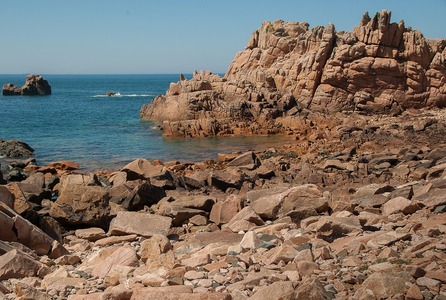
The Pink Granite Coast, located in Brittany, is one of the most impressive natural gems of the French coastline. Its rock formations with sculpted shapes and pink hues create an almost unreal atmosphere, especially at sunrise and sunset. By bike, this landscape takes on its full dimension, as every turn reveals a new panorama of the sea, coves, and rock formations. The route alternates between coastal roads, small fishing ports, and charming Breton villages such as Binic, Paimpol, and Tréguier. The excursion to Île de Bréhat adds an even more exotic touch, with its flower-filled landscapes and peaceful atmosphere.
A strong and authentic Breton cultural identity
Beyond the landscapes, this cycling trip in Brittany is marked by a very strong cultural identity. Between still-living maritime traditions, such as artisanal fishing in Paimpol or the traditional sailing boats that can be seen in the ports, and typical architecture made of granite houses with slate roofs visible in Tréguier, each stage tells a story deeply rooted in the territory. Local gastronomy also fully contributes to this immersion, with emblematic specialties such as Breton crêpes and galettes, freshly caught seafood, and the famous kouign-amann, a true symbol of Breton indulgence. This culinary richness is even more enjoyable after a day of cycling by the sea. The salty atmosphere, sea spray, and changing light typical of the Breton coast reinforce this feeling of escape. In iconic places such as Ploumanac’h, at the heart of the Pink Granite Coast, the sea becomes an ever-present element that shapes daily life. Here, it is not just a backdrop: it deeply shapes the way of life, traditions, and identity of the region. This route is especially suited for travelers seeking raw nature, disconnection, and authenticity. The slightly hilly terrain adds a bit of challenge, but it is largely compensated by the richness of the landscapes.

andreas-weilguny
Cycling the Vélodyssée: Softness and Serenity from Île de Ré to Bordeaux
A smooth route between ocean, forests, and vineyards
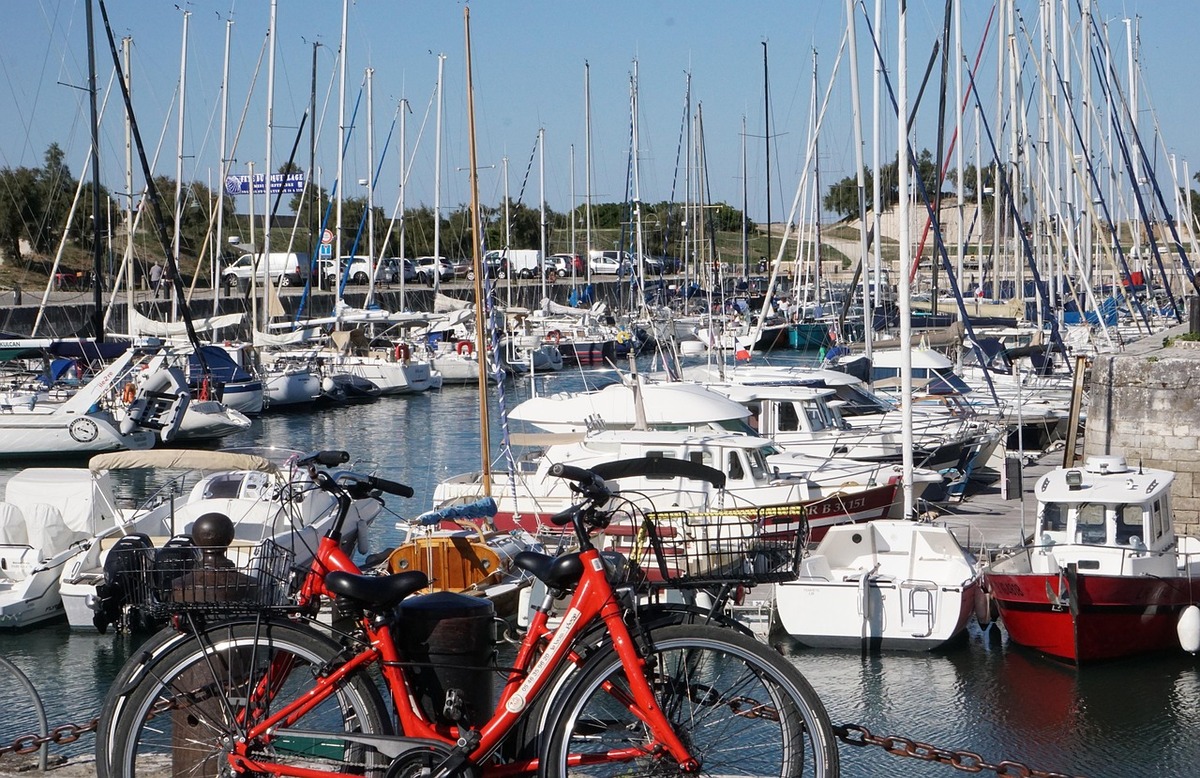
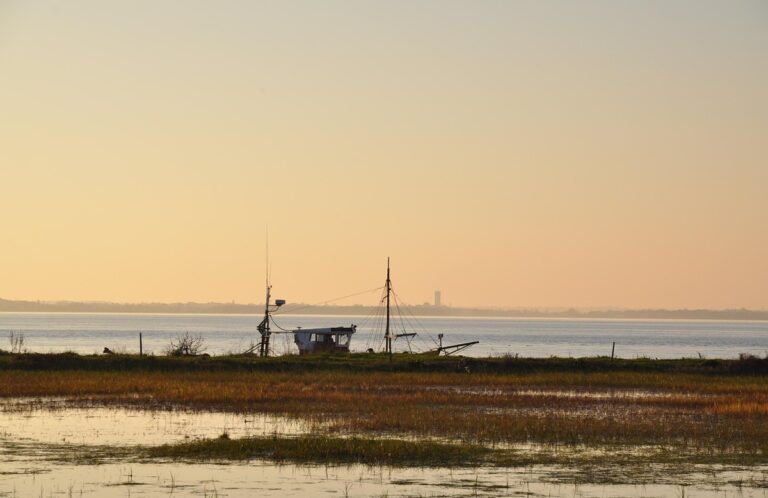
The Vélodyssée is one of the most famous cycling routes in France. Between Île de Ré and Bordeaux, it offers a completely different experience from Brittany. Here, the landscapes are softer and more open, with long sandy beaches, salt marshes, pine forests, and perfectly maintained cycle paths. The mostly flat terrain makes this route particularly pleasant and accessible, even for casual cyclists. The journey then becomes a true moment of relaxation, where you take the time to enjoy the scenery, the sunny climate, and the sea air.
An experience focused on lifestyle and gastronomy

CRTNA
What also distinguishes this journey is its strong connection to the lifestyle of southwestern France. Along the way, gourmet stops punctuate the itinerary, especially on Île de Ré, where oysters are tasted directly from producers, facing the ocean. Local markets also allow travelers to discover regional specialties such as pineau des Charentes, mussel éclades, and other seafood and local products. Approaching Bordeaux, the landscape changes and gives way to the famous vineyards of the region, especially those of Médoc, renowned worldwide. This immersion in a land of great wines adds a unique sensory dimension to the journey. The arrival in Bordeaux, a UNESCO World Heritage city, brings a cultural and urban dimension that harmoniously contrasts with the natural landscapes crossed. Between the lively quays of the Garonne, elegant 18th-century façades, and iconic places such as Place de la Bourse, the city offers an ideal conclusion to this journey.
This route is particularly suitable for those seeking a coastal cycling trip combining comfort, pleasure, and accessibility, in a relaxed, sunny, and deeply gourmet atmosphere.
Cycling in Normandy: Between Historical Memory and Maritime Landscapes
A historically rich route along the D-Day landing beaches
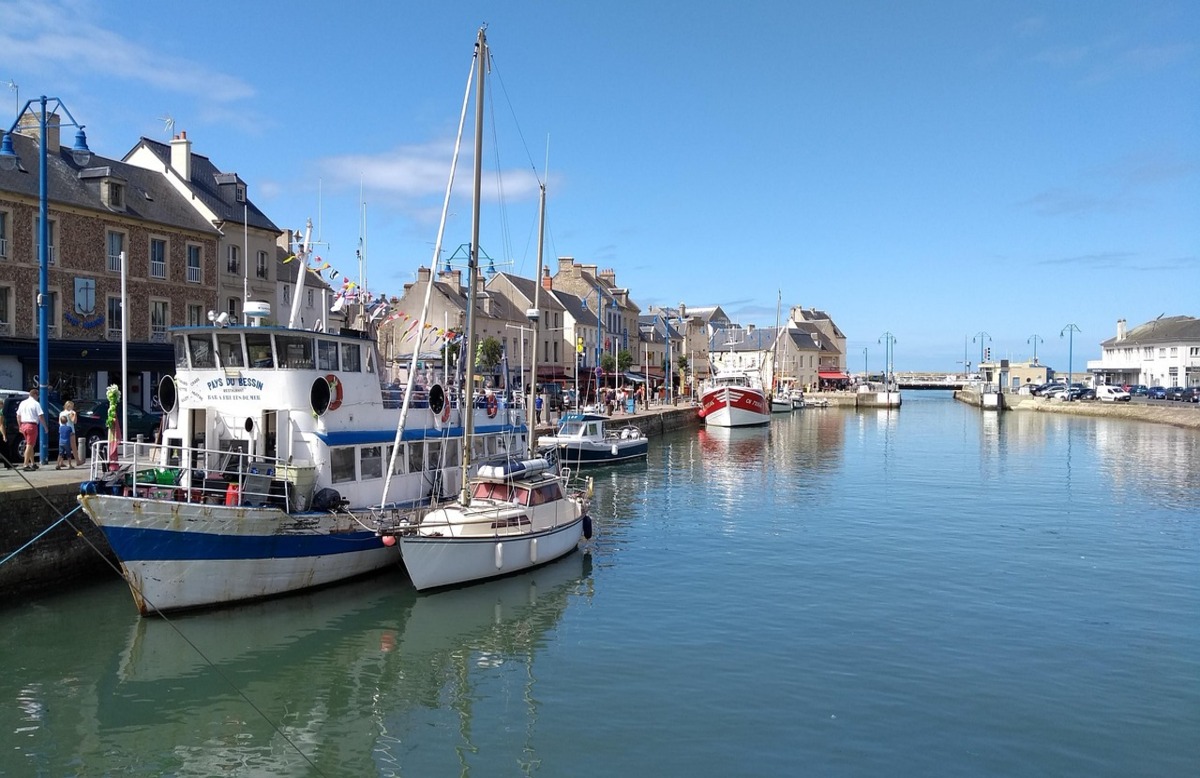
Normandy offers a profoundly different experience from other French coastal routes, where cycling also becomes a true journey through time. The route runs along the famous D-Day landing beaches, located between Utah Beach and Omaha Beach, as well as major memorial sites such as Pointe du Hoc. These iconic sites of the Normandy Landings form the backbone of this historically rich itinerary. Each stage of the route is marked by deeply symbolic places, where collective memory remains very present. Cycling along these beaches allows visitors to better understand the historical importance of this region while enjoying beautifully preserved coastal landscapes. The long sandy stretches, impressive cliffs such as those of the Pays d’Auge, and small fishing ports like Port-en-Bessin-Huppain create a setting that is both peaceful, authentic, and emotionally powerful.

Marie-Anais_Thierry
Deeply rooted cultural and heritage richness

Brigitte-Ferauge
Normandy stands out for the exceptional density of its historical and cultural heritage. Beyond the D-Day beaches, the region is home to major sites such as the Caen Memorial, dedicated to peace and 20th-century history, and the famous Mont-Saint-Michel, a UNESCO World Heritage site. Between museums, traditional villages with half-timbered houses in the Pays d’Auge, and historic towns such as Bayeux, the journey becomes particularly rich culturally. Religious, military, and architectural heritage contribute to making each stage a discovery. Norman gastronomy completes this immersion with emblematic products such as camembert, cider, calvados, and seafood from the English Channel. This culinary generosity is an integral part of the regional identity and naturally accompanies the cycling journey.
This route is especially suited for travelers who want to give meaning to their cycling adventure by combining cultural discovery, reflection, and enjoyment of coastal landscapes. Normandy offers an experience where history is ever-present, yet always in harmony with the natural beauty of the coastline. Between the memory of the Normandy Landings, authentic villages, and preserved coastal panoramas, this coastal cycling trip offers a unique, emotional, and contemplative immersion.
Radically Different Landscapes
Brittany stands out above all for its spectacular landscapes and deeply wild character. On the Pink Granite Coast, especially around Ploumanac’h, pink-toned rock formations sculpted by wind and sea give the coastline an almost surreal dimension, reinforced by a raw and ever-changing atmosphere.
The Vélodyssée, which runs from Île de Ré to the outskirts of Bordeaux, offers a completely different interpretation of the Atlantic coastline. Here, the landscapes are softer and brighter, alternating between long dune-lined beaches, vast pine forests, and salt marshes, in a smooth continuity that invites relaxation and effortless progression.
Normandy, finally, lies in a unique balance between nature and memory. The coastline, marked by cliffs and large beaches such as Omaha Beach, also opens onto a green and structured countryside, where traditional villages and agricultural landscapes soften the power of the seaside.

Freddy
Contrasting Cultural Atmospheres
Breton identity is deeply shaped by its maritime traditions and authenticity felt at every stage of the journey. In ports such as Paimpol or around the Pink Granite Coast, local life remains closely tied to the sea, between fishing, navigation, and ancestral know-how. This strong culture gives Brittany a distinctive personality, both proud and deeply rooted. Southwestern France, crossed by the Vélodyssée between Île de Ré and Bordeaux, embodies a softer, more convivial, and gourmet lifestyle. Here, cycling naturally includes seaside breaks, local markets, and regional products, in a sunny atmosphere where slowness becomes a true pleasure. Normandy, finally, stands out for its historical weight and the exceptional richness of its heritage. From the Omaha Beach landing sites to historic towns such as Bayeux, each place tells a part of European history, giving the journey a deeper dimension.
Different Travel Experiences
In reality, these three routes offer very different travel experiences. Choosing Brittany means immersing yourself in raw and spectacular nature, often more demanding but intensely exotic. The Vélodyssée offers a softer and more accessible experience, ideal for enjoying the coastline in a spirit of relaxation and simple pleasure. Normandy, meanwhile, offers a more introspective journey, where landscape discovery is accompanied by a strong cultural and emotional dimension.