The Major French Cycle Route. Part 2

T.Prudhomme-Auvergne-Rhone-Alpes
Year after year, France continues to confirm its place among the leading destinations for cycle tourism in Europe. Thanks to a well-structured, safe, and constantly evolving network of greenways, bike paths, and shared minor roads, it allows travelers to discover its regions in a gentle, immersive, and deeply authentic way, at the rhythm of pedal strokes and the stages they choose to enjoy.
After a first part dedicated to iconic routes such as La Vélodyssée, La Loire à Vélo, and La Scandibérique, this second selection highlights three equally remarkable cycling routes, each with a very distinct identity: La Vélomaritime, ViaRhôna, and the Canal des 2 Mers by bike.
Between wild coastlines, river valleys, and historic canals, these routes offer a new way to explore France.
1 . 1. La Vélomaritime: an adventure between land and sea
La Vélomaritime stands out as one of France’s major coastal routes. It follows the English Channel and the North Sea, linking Brittany to the Hauts-de-France region. While it is part of a larger European itinerary, its French section has a strong identity, shaped by the richness of its maritime landscapes and historical heritage, discovered step by step.
A spectacular and ever-changing coastline
Marie Anais Thierry
What immediately defines La Vélomaritime is the impressive diversity of its coastal landscapes. Unlike more linear routes, the scenery here is constantly evolving, giving the impression of crossing several regions in a single cycling trip. The route often begins in Brittany, around iconic sites such as Cap Fréhel and Fort La Latte, with rugged coastlines, steep cliffs, and small coves.
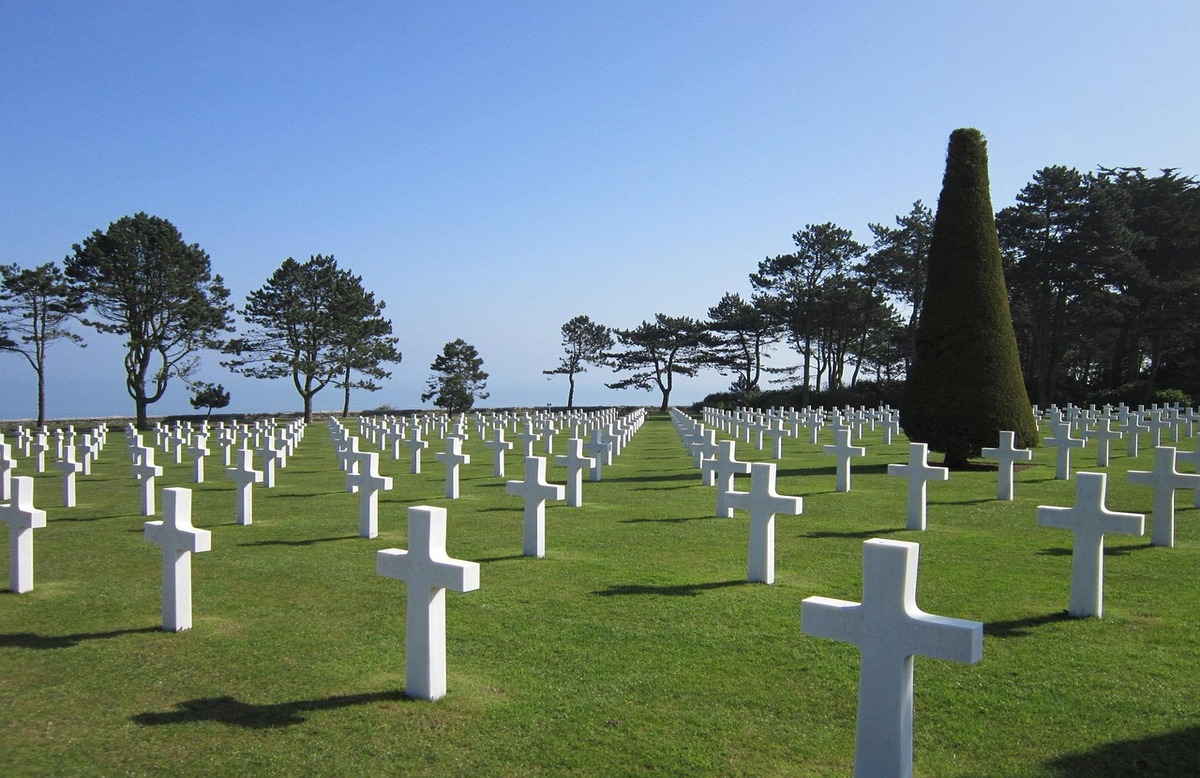
Continuing eastward, the landscapes gradually open up toward Saint-Malo and Dinard, then on to Normandy. The cliffs of Étretat, majestic and imposing, overlook the sea and offer spectacular viewpoints that more than reward the effort of the climbs. Further along, beaches stretch as far as the eye can see, particularly along the Channel coast between Omaha Beach and Utah Beach, where riding becomes smooth and fluid.
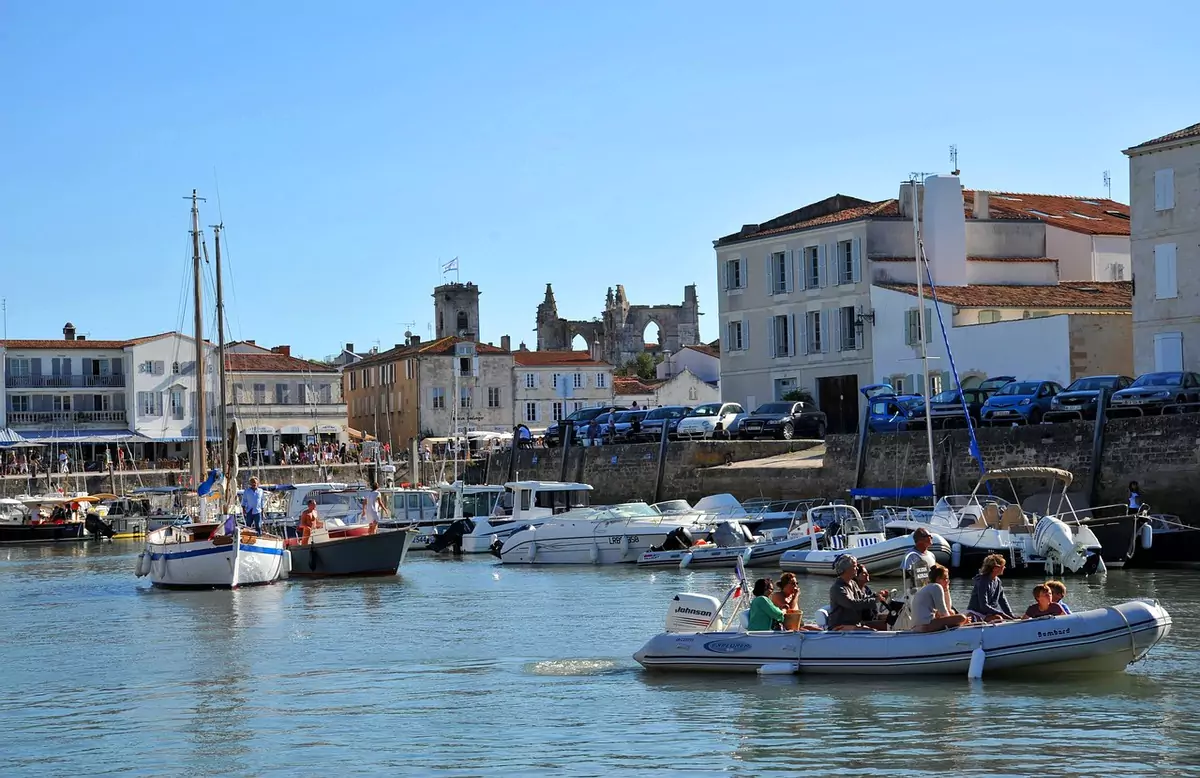
Each section has its own character: lively fishing ports like Cancale or Fécamp, elegant seaside resorts, stone villages facing the sea, perfect stops to take a break, adjust your route, or simply enjoy the moment.
An immersion in coastal history
La Vélomaritime is not just about landscapes. It also crosses regions deeply marked by history. Along the route, many sites bear witness to the maritime and military past of these areas. From fortifications such as those in Saint-Malo, to iconic lighthouses like Cap Fréhel, historic ports, and the D-Day landing beaches, cyclists travel through a true open-air history book.
Some sections, particularly in Normandy, recall major events of the 20th century, while others evoke centuries of maritime trade and sea-oriented life. This historical dimension adds real depth to the journey, you don’t just ride from one stage to another: you understand, observe, and feel.

Brock-et-Betty
An accessible and invigorating route
Despite a few hillier sections requiring effort management, La Vélomaritime remains accessible to a wide range of cyclists, from beginners to more experienced riders. The infrastructure is well developed, alternating between greenways, bike paths, and shared roads, allowing for safe and enjoyable riding.
The sometimes-changing weather is part of the experience. Headwinds or tailwinds, sea air, shifting light, all contribute to a unique, invigorating, and truly refreshing atmosphere. It’s an ideal route for those seeking a nature-focused cycling trip, shaped by tides and natural elements.
2 . 2. ViaRhôna: a journey along a major European river
ViaRhôna is one of France’s main cycle touring routes. It connects Lake Geneva to the Mediterranean Sea by following the Rhône River for over 800 kilometers. This itinerary offers a spectacular crossing of the country, following one of Europe’s most powerful rivers, with a natural progression perfectly suited to long-distance cycling.
A natural progression

T.Prudhomme-Auvergne-Rhone-Alpes
One of the most fascinating aspects of ViaRhôna is the clear evolution of landscapes, which you truly appreciate as you cycle along day after day.
The journey begins in an alpine environment around Thonon-les-Bains and Évian-les-Bains, with panoramas often dominated by mountains and abundant nature. The atmosphere is fresh, sometimes mountainous, ideal for a gradual warm-up. As the kilometers pass, the landscape softens toward Lyon, where cyclists can stop to explore the Old Town or the Basilica of Fourvière. The river widens, the terrain flattens, and the Rhône Valley reveals its vineyards around Condrieu and Tain-l’Hermitage.
Further south, toward Valence, Montélimar, and then Avignon with its famous Palais des Papes, the climate changes noticeably. The light becomes more intense, the vegetation more Mediterranean, and the atmosphere warmer. The arrival at the Mediterranean, via Arles and the Camargue, marks an almost symbolic transition, a journey ending between river and sea after days in the saddle.
A route of nature, culture, and gastronomy
ViaRhôna also stands out for its exceptional cultural richness. The Rhône has long been a major axis of movement and exchange, which is evident throughout the route.
The cities along the way, sometimes very ancient, reflect this history. In Vienne, you can discover a remarkable Roman theater, while in Arles, Roman remains highlight the city’s importance in antiquity.
But the experience goes beyond built heritage. The Rhône Valley is also a major gastronomic region. With renowned vineyards, local markets, and regional specialties, each stage becomes an opportunity to recover, refuel, and fully enjoy the journey.
Cycling makes it easy to take advantage of this richness, allowing frequent stops to explore, taste, or simply observe.

Peignee-Verticale-Auvergne-Rhone-Alpes
A structured and adaptable route
ViaRhôna is accessible while remaining varied enough to appeal to experienced cyclists who want to manage their effort over time.
The route can be completed in stages over a few days or several weeks, depending on preferences, level, and endurance. This flexibility is one of its main strengths: everyone can shape their own journey, adjust stages, and find their rhythm.
3 . 3. The Canal des 2 Mers by bike: a gentle crossing between the Atlantic and the Mediterranean
The Canal des 2 Mers by bike is one of the most iconic routes in southern France. It links the Atlantic Ocean to the Mediterranean Sea by following two major canals: the Garonne Canal and the Canal du Midi. This 700+ kilometer route offers a completely different experience: here, everything invites you to slow down, adopt a steady pace, and ride without constraints.
A route shaped by history and engineering
The Canal du Midi, the centerpiece of this route, is a UNESCO World Heritage site. Built in the 17th century by Pierre-Paul Riquet, it represents a remarkable engineering achievement for its time.
Cycling along its banks means following a unique work of engineering, dotted with locks such as those of Fonseranes in Béziers, canal bridges, and impressive hydraulic structures. The medieval city of Carcassonne is also a must-see stop, perfect for parking the bike and exploring on foot. Each section tells a story, of river transport, trade, and regional development. The Garonne Canal, passing through Agen or Moissac and its abbey, continues this experience with more open landscapes and a more rural atmosphere.
A soothing and contemplative atmosphere
Unlike more dynamic routes, the Canal des 2 Mers stands out for its slow, steady pace, perfect for a pressure-free journey. The route is mostly flat, making it technically easy to ride. Long straight stretches lined with trees create an almost hypnotic feeling. The gentle lapping of water, the shade of plane trees, the constant presence of the canal, all contribute to a calm and relaxing atmosphere.
It’s a route that invites you to take your time, adjust your pace, observe details, and enjoy every moment. The journey becomes almost meditative.
An immersion in Southwest and Southern France
The route crosses regions with strong identities, between Southwest France and Occitanie.
You’ll discover authentic villages, bastides, local markets, and generous gastronomy. Accents, landscapes, and traditions gradually change along the way, offering a true immersion in the diversity of southern France.
The arrival at the Mediterranean, particularly in Sète, marks a strong transition, with brighter light and a more maritime atmosphere, contrasting with the inland landscapes at the beginning.

Peignée Verticale Auvergne-Rhône-Alpes
Three routes, three ways to travel
These three cycling routes perfectly illustrate the richness and diversity of cycle tourism in France:
- La Vélomaritime for an immersion in maritime landscapes and coastal history
- ViaRhôna for a great north-to-south journey combining river, culture, and gastronomy
- The Canal des 2 Mers for a peaceful trip blending heritage and quality of life
Each offers a different experience, but all share the same philosophy: a slow, accessible journey deeply connected to the regions, where you move at your own pace, driven by the simple pleasure of cycling.
Exploring France by bike means choosing a different way to discover the country. It means taking your time, opening up to encounters, and letting the landscape guide your rhythm, from the first stage to the last.
And that is undoubtedly where the true richness of these great cycle routes lies.