5 Must-See Cycling Routes for Traveling by Bike in France

France is a paradise for cycle tourism. With more than 15,52 Miles of developed cycling routes and a network that stretches from the Atlantic coasts to the Mediterranean shores, from the Alpine mountains to river valleys, pedaling here becomes much more than a simple physical effort: it is a true immersion in the diversity of landscapes, the richness of heritage, and local gastronomy.
In 2025, France has 59 cycle routes, including 10 EuroVelo routes. French itineraries, whether they cross majestic rivers, follow peaceful canals, or wind through renowned vineyards, are designed to offer safety, accessibility, and beauty. Some sections, such as La Loire à Vélo or La Vélodyssée, even allow families or beginner cyclists to enjoy unforgettable experiences, where each stage tells a story and opens onto a unique panorama.
In this article, we take you on a journey to discover five must-see routes: from the gentle landscapes of the Loire to the vast marine spaces of the Atlantic, from the tranquil canals of the Southwest to the Rhône vineyards, and finally to the picturesque roads of Burgundy. Each route has been selected for its natural, cultural, and heritage richness, offering a complete journey that combines effort, contemplation, and sensory pleasure.
1 . La Loire à Vélo: the royal river between history and nature
La Loire à Vélo is one of the most legendary cycling routes in Europe. Over nearly 560 miles, it follows the course of France’s longest river from Cuffy, near Nevers, to Saint-Brevin-les-Pins (Loire-Atlantique). Listed as a UNESCO World Heritage site for the richness of its cultural landscapes, this route is both a journey through time and through nature.
Landscapes and cultural heritage
From the very first miles, the cycle tourist feels the call of the Loire: a fluid, ever-changing landscape made up of wooded islands, sandbanks, and riverbanks where the river runs freely, winding between vast open spaces and picturesque villages.
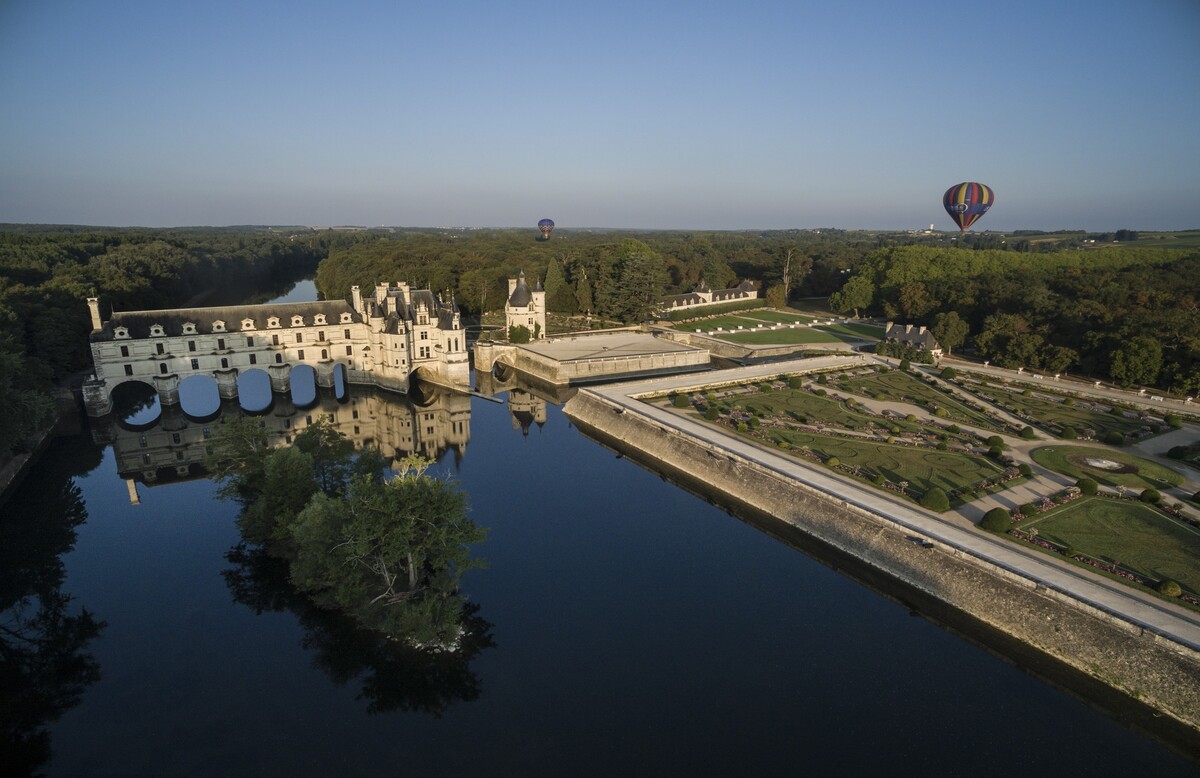
As the journey unfolds, heritage transforms the ride into a true journey through time. The richness of La Loire à Vélo lies as much in its landscapes as in its cultural heritage. The châteaux of Chambord and Blois fascinate with their Renaissance architecture, while the Château d’Amboise recalls the influence of Leonardo da Vinci on the region. The gardens of Villandry appear as living paintings sculpted from vegetation, where perspectives, vegetable gardens, and terraces invite leisurely strolls. Medieval towns and villages along the route preserve the authenticity of their architecture and cobbled streets, offering a harmonious blend of culture, history, and gentle living.
The Loire Valley vineyards
The journey would not be complete without the Loire Valley vineyards that line the river. The wine-growing landscape adds a sensory dimension to this itinerary.
Vouvray, Montlouis-sur-Loire, Chinon, and Saumur reveal themselves by bike from a privileged angle, via small roads and towpaths that lead directly to the winemakers. Troglodyte cellars carved into tuffeau stone reveal ancestral know-how, while tastings allow cyclists to savor chenin blanc whites, cabernet franc reds, and fine local sparkling wines in an exceptional natural setting. Each stage thus becomes a sensory experience where history, landscape, and gastronomy intertwine.
La Loire à vélo is not just a cycling route; it is a truly immersive discovery of the region.

2 . La Vélodyssée: along the Atlantic, between dunes and forests
For those who dream of vast marine spaces and a cycling journey where each horizon transforms, La Vélodyssée is the ideal route. Forming the French section of EuroVelo 1 – the Atlantic Coast Route, this cycle route stretches over 807 miles, linking Roscoff in Brittany to Hendaye in the Basque Country. Along the entire route, the Atlantic coastline unfolds in all its splendor: endless beaches, secret coves, shifting dunes, and mysterious forests follow one another, offering an ever-renewed spectacle for nature and cycling enthusiasts.
The first stages in Brittany

QUERE Yves Tourisme Bretagne
From the very start in Roscoff, a charming fishing port with granite houses and colorful shutters, the journey opens with a complete maritime immersion. Poulmic Beach, with its fine white sand, offers a first stop. The fish market, typical of the port, provides a sensory experience: the smell of seaweed, the sound of seagulls, and the sight of boats returning to harbor set the rhythm of the beginning of the journey. The route then follows small coves and granite cliffs to the lighthouse of Île de Batz, emblematic of the Bay of Morlaix, before heading inland through the Breton countryside dotted with medieval villages such as Saint-Pol-de-Léon, with its Gothic church and cobbled streets.
As the journey continues south, the landscapes become wilder with the Monts d’Arrée and their untamed moorlands. A stop at Lake Guerlédan, the largest artificial lake in Brittany, allows for swimming or a picnic by the water, while the cycle paths along the Nantes–Brest Canal offer a flat and safe route to continue the journey. Lined with forests and meadows, the peaceful rhythm makes it easy to stop and visit historical sites such as Josselin, with its Gothic castle and half-timbered houses, or the historic heart of the Pays de Rohan.
The landscapes of Vendée and Charente-Maritime
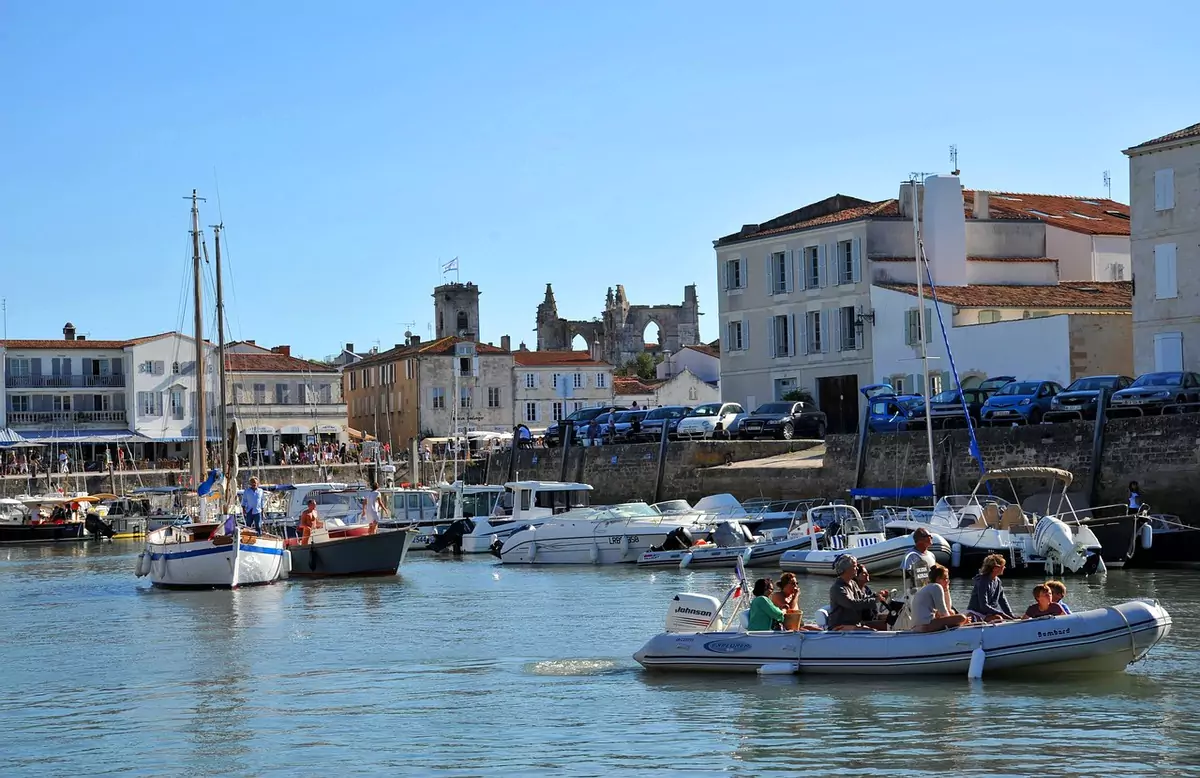
Heading south into Vendée and Charente-Maritime, the scenery changes radically: dunes and salt marshes appear, the beaches of Saint-Brévin and the coves of Pornic stretch as far as the eye can see, and pine forests line the cycle paths, providing shade and a soothing setting. Vast expanses of marshland and farmland, dotted with farms and huts, unfold until reaching Marans, then the canal leading to La Rochelle offers a succession of aquatic landscapes. The famous towers of the Old Port welcome visitors in a unique maritime atmosphere.
Oyster-farming villages such as Marennes and La Tremblade allow cyclists to taste local oysters and discover the world of oyster beds, while the coastal forests of Les Sables-d’Olonne offer spectacular views of the ocean.

Stephanie NADOU
From the Arcachon Bay to the Basque Country
Arriving in Gironde further south, the Arcachon Bay is an emblematic stop. Here, the cycle route offers a unique blend of dunes, pine forests, and calm waters. In the Landes, shaded cycle paths, surf villages, and pine forests lead to Biscarrosse and Contis, with its black-and-white striped lighthouse.
Finally, the stretch between Bayonne, Biarritz, and Hendaye marks entry into the Basque Country. Bayonne, with its white-and-red half-timbered houses, ramparts, and emblematic market, offers a striking contrast with the forests and beaches encountered earlier. Biarritz, famous for its surf beaches and the Rocher de la Vierge, is an unmissable stop. The route ends in Hendaye, on the Spanish border, on a fine sandy beach where cycling meets the sea, symbolizing the end of a journey that alternates marine panoramas, authentic villages, and cultural heritage.
Each stage of La Vélodyssée is punctuated by discoveries: sandy beaches, oyster ports, iconic lighthouses, medieval villages, protected forests, and imposing dunes. It is a route where the ocean, culture, and heritage come together, offering a cycling journey that is at once sporty, contemplative, and deeply memorable.
3 . The Canal des 2 Mers: from the Atlantic to the Mediterranean along the water
Le Canal des 2 Mers by bike is an exceptional route that connects the Atlantic Ocean to the Mediterranean Sea, following the banks of the Garonne Canal and then the Canal du Midi. Over approximately 470 miles, this route enchants with its peaceful atmosphere, varied landscapes, architectural heritage, and gourmet terroirs. It appeals equally to nature lovers and history and gastronomy enthusiasts, offering a journey where each stage becomes a discovery.
Discovering the Garonne Canal
David Remazeilles (Gironde Tourisme)
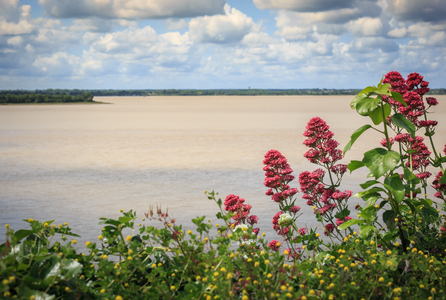
The departure takes place near the Gironde estuary, close to Royan, a charming port where fine sandy beaches and oyster huts recall the region’s deep connection to the ocean.
The first kilometers plunge the cyclist into the marshes of Gironde, landscapes of water and salt meadows where light plays on canal reflections and where migratory birds and waders can be observed in their natural habitat.
The paths along the Garonne Canal are lined with centuries-old plane trees, offering long shaded avenues, perfect for leisurely stages and contemplative breaks.
The route quickly evolves toward the vineyards and bastides of the Southwest. Here, every town and village tells a story: Blaye, then Bordeaux, seduces with its classical architecture and lively quays along the Garonne, while Agen reveals its agricultural past and picturesque markets, notably the central market where the famous Agen prunes can be tasted. Moissac, with its UNESCO-listed Saint-Pierre Abbey and sculpted Romanesque cloister, offers a stop rich in history and spirituality.
The Canal du Midi and arrival at the Mediterranean
Then opens the legend of the Canal du Midi, a 17th-century masterpiece designed by Pierre-Paul Riquet and listed as a UNESCO World Heritage site. Long plane-tree-lined avenues and small stone bridges create a timeless atmosphere where water reflects the light and birds accompany each pedal stroke. Typical villages such as Carcassonne offer unforgettable stops: its fortified medieval city, a World Heritage site, seems straight out of a history book, with its ramparts, towers, and cobbled streets, allowing travelers to immerse themselves in the past while continuing the cycling journey.
As the route progresses, the landscapes become more Mediterranean. Colors warm and scents grow more fragrant: sunflower fields, Languedoc vineyards, agricultural plains, and dry-stone villages create a patchwork typical of the Southwest.
This cycling journey is also an immersion in local gastronomy. Markets along the canal invite visitors to taste regional specialties: Bordeaux cannelés, Agen prunes, Castelnaudary cassoulet, Chasselas wine, and oysters from the Adour estuary.
As the Mediterranean approaches, the scenery changes again: the climate becomes drier, the landscapes brighter, and vineyards sometimes give way to salt flats and lagoons around Sète and the Thau Lagoon. Coastal towns such as Agde, with its ancient port, offer cultural and maritime stops, while the Mediterranean Sea at the end of the route finally reveals its turquoise waters and fine sandy beaches. Arrival in Sète marks the end of a journey where nature, heritage, and gastronomy blend harmoniously to create an unforgettable cycling adventure.

Peignée Verticale Auvergne-Rhône-Alpes
Le Canal des 2 Mers is thus a route that combines tranquility, beauty, and diversity: shaded paths, historic locks, medieval villages, and gourmet stops make each stage a unique experience. Heritage enthusiasts and landscape lovers alike will find on this route a perfect balance between physical effort, contemplation, and cultural discovery.
4 . ViaRhôna: from Lake Geneva to the Mediterranean, the river and its landscapes
La ViaRhôna (EuroVelo 17) is the cycling route that links Lake Geneva to the Mediterranean Sea, following the legendary Rhône River over approximately 510 miles. This route invites travelers on a journey blending Alpine panoramas, Côtes du Rhône vineyards, historic cities, and Provençal villages bathed in Mediterranean light. A true thread between mountain and sea, the ViaRhôna tells the story of a river that has shaped its valley since Gallo-Roman times, while offering cyclists a unique mix of nature, heritage, and gastronomy.
The first Alpine stages

T.Prudhomme Auvergne Rhone Alpes
The early stages reveal Alpine grandeur. From Thonon-les-Bains or Évian, on the shores of Lake Geneva, cyclists discover spectacular panoramas: the blue waters of the lake reflect the snow-capped Alpine peaks, while nearby villages such as Yvoire, with its flower-filled medieval streets and ramparts, offer charming stops. Cycle paths advance along the nascent Rhône, between lavender fields, orchards, and Alpine meadows, offering a rich sensory experience of fresh air, floral scents, and grand vistas.
The Rhône Valley and Lyon

Peignée Verticale Auvergne Rhone Alpes
Descending toward Seyssel, a riverside town, ViaRhôna crosses a gentler valley. The village, dominated by the old suspension bridge and surrounding hills, offers a fine example of medieval heritage. History lovers can stop to admire the old castle and stroll along the rehabilitated riverbanks, where viewpoints over the river reveal terraced vineyards and steep slopes characteristic of this part of Savoie and Ain.
Further south, ViaRhôna leads to Lyon, a major historic metropolis listed as a UNESCO World Heritage site. Here, the contrast between nature and urban life is striking. The Rhône riverbanks, recently redeveloped for cyclists and pedestrians, offer peaceful promenades in the heart of the city. Cyclists can explore Vieux Lyon, a Renaissance district with cobbled streets and secret traboules, the ancient Roman theater of Fourvière, and enjoy local gastronomy in the famous “bouchons lyonnais.” The river becomes a guiding thread between history, culture, and modernity.
Provence and the Mediterranean
Leaving Lyon, the Rhône Valley opens onto exceptional agricultural and wine-growing landscapes. In Vienne, Roman remains such as the Temple of Augustus and Livia and the ancient theater recall the city’s historical importance. Further on, the hillsides of the northern Côtes du Rhône offer enchanting panoramas, where the vineyards of Tain l’Hermitage and Tournon produce some of the valley’s most renowned wines. ViaRhôna winds through hilltop villages such as Mercurol or Pont-de-l’Isère, where tranquility and scenic beauty provide ideal pauses to enjoy nature and local specialties such as Tain chocolate or appellation wines.
After a stop in Valence with its colorful markets and gardens, ViaRhôna continues into Ardèche. Between caves, archaeological sites, character villages, castles, and nature reserves, the route follows the Rhône plains and the villages of Drôme Provençale.

Peignée Verticale Auvergne Rhone Alpes
Approaching Avignon, the scenery changes once more: light becomes more intense, the scents of garrigue fill the air, and the Mediterranean climate settles in. The City of the Popes, with its Palais des Papes, Pont Saint-Bénézet, and medieval ramparts, offers an unmissable stop where the history and grandeur of Provence are fully expressed. Cyclists can also enjoy tastings of famous wines such as Châteauneuf-du-Pape, symbolizing the region’s wine identity.
Finally, the last miles lead travelers to Arles and then toward the salty waters of the Mediterranean, to Sète where the cycling journey ends in a celebratory atmosphere, with turquoise seas, fine sandy beaches, and lively coastal villages.
ViaRhôna is thus a route full of diversity, where Alpine culture, Rhône Valley historical richness, and Mediterranean gentleness meet. It offers cyclists a progressive and complete journey, where each stage becomes an immersion into the deep identity of the regions crossed, while fully enjoying landscapes, wines, and local gastronomy. Each pedal stroke on ViaRhôna becomes a complete and memorable experience.
The Tour of Burgundy by bike: a great loop between canals, vineyards, and history
The Burgundy tour by bike is an emblematic cycling adventure that crosses the heart of Burgundy over 500 miles, divided into five routes, offering an easy, safe, and almost flat itinerary, ideal for slow and enriching cycling discovery. This great loop connects Burgundy’s four departments using a network of historic canals, greenways, and quiet roads where cycle tourism unfolds at the rhythm of nature and local heritage.
The Voie des Vignes and departure from Beaune
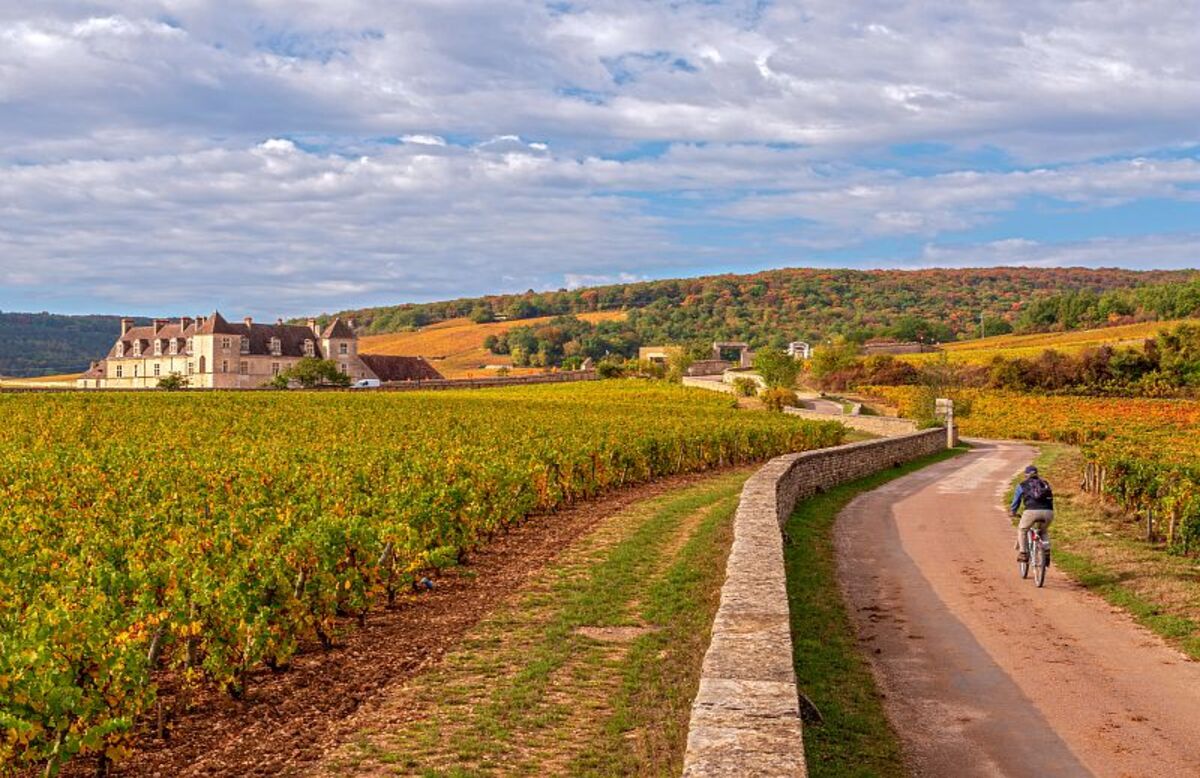
The Voie des Vignes, linking Beaune to Santenay over about 18 miles, immediately immerses travelers in the famous vineyards of the Côte de Nuits and Côte de Beaune. Departure from Beaune offers a first cultural immersion with the Hospices de Beaune, a jewel of flamboyant Gothic architecture and a symbol of Burgundian heritage. Then, kilometer after kilometer, cyclists ride through vine-sculpted landscapes, between golden hillsides and renowned villages, where wine cellars and estates line the route. This section fully embodies Burgundian epicureanism: wine history, medieval villages, possible tastings, and open panoramas over hectares of vineyards stretching as far as the eye can see.

Alain_DOIRE_BFC_Tourisme
The Canal du Centre and the Ceramics Valley
From Santenay, the route leaves the hillsides to follow the Canal du Centre, a peaceful canal linking the Saône to the Loire. The first hours of pedaling on this stretch set the tone for the rest of the Tour de Bourgogne by bike: a gentle pace, a serene atmosphere, and a succession of calm landscapes punctuated by small ports, locks, and lockkeeper’s houses.
This canal is bordered by meadows and groves and crosses the Ceramics Valley, where Villa Perrusson, a historic estate renowned for its heritage, forms a notable first cultural stop. Further on, the majestic Romanesque Basilica of Paray-le-Monial rises modestly along the cycle path, marking a transition toward more open landscapes, before the lateral canal to the Loire takes over at Digoin, symbolizing the meeting of waterways and cycling journeys.

Nicolas_GASCARD_BFC_Tourisme
The Nivernais Canal
After savoring this peaceful countryside, the route shifts onto one of the most emblematic sections: the Nivernais Canal. This segment offers one of the most immersive waterside experiences of the entire Tour de Bourgogne by bike. Stretching over more than 124 miles, this cycle route follows the long canal through a preserved natural environment rich in wetlands, ponds, and forests, where pure air and tranquil panoramas remind visitors that Burgundy is not only a land of vineyards but also a land of vast open spaces.
The route passes through historic towns such as Châtillon-en-Bazois, where the history of fishing and waterways unfolds at every turn, or Clamecy, a former timber-floating town whose medieval origins can still be sensed in the street layout. At the ponds of Vaux and Baye, nature reveals itself in all its splendor, offering ideal stops to rest by the water and observe local wildlife. Finally, Auxerre stands as one of the major stops on this section, a city of art and history with remarkable heritage, surrounded by the vineyards of the Grand Auxerrois.
The Burgundy Canal

Corinne_VASSELET_BFC_Tourisme
Joining Migennes from Auxerre then marks entry onto the Burgundy Canal section, which extends for over 124 miles to Dijon. Here, the cycle route unfolds equally captivating landscapes, with a strong cultural and historical dimension. The Burgundy Canal, ranked among France’s most popular cycling routes, follows scenery where meadows, locks, footbridges, and small historic villages succeed one another seamlessly. Along this marked and secure towpath, points of interest abound: Fontenay Abbey, a jewel of Cistercian architecture, rises in a green setting whose harmony is felt with every pedal stroke.
The Alésia site museum, emblematic of encounters between Gallic and Roman cultures, offers an enriching historical pause. Further on, villages such as Flavigny-sur-Ozerain, famous for its aniseed candies, provide moments of tasting and discovery of local traditions echoing the Burgundian soul.
This section gradually leads to Dijon, the historic capital of Burgundy, whose medieval ramparts, palaces, and museums tell a millennia-old story. Dijon is not only a logical stop on the itinerary but also a destination in its own right, a city of art, gastronomic hub, and cultural stop that invites travelers to extend their journey.
Optional loop in Southern Burgundy
Finally, although traditionally considered outside the main loop, an optional loop in Southern Burgundy links Chalon-sur-Saône to Mâcon via the Voie Bleue and Voie Verte. Between the Saône River and vineyards, this additional route allows travelers to extend the adventure by discovering another face of the region: medieval villages, colorful hillside landscapes, and tranquil routes perfect for extra stages or structuring a longer itinerary over several weeks.
Each day reveals a new page of Burgundy: renowned vineyards, lock-lined canals, abbeys, quiet ports, and historic towns. Along the sections, travelers move from the gentleness of vineyard landscapes to the tranquility of canal banks, then to the cultural vibrancy of art cities such as Auxerre and Dijon. It is an itinerary that harmoniously links nature, heritage, and terroir, transforming every pedal stroke into a memorable stage within a territory rich in traditions and history.
These routes are not just paths for cyclists: they are true invitations to reconnect with nature, discover built and living heritage, savor local specialties, and feel the soul of each region. Between mountains, valleys, plains, oceans, and rivers, cycling becomes a way to travel differently, closer to the land and its people, in slowness and attention to detail.
Whether you are an experienced cycle tourist or an enthusiast seeking discovery, these five must-see routes will offer you unique memories, an intense sensory experience, and the simple yet profound pleasure of traveling through France by bike, along landscapes, villages, and flavors.